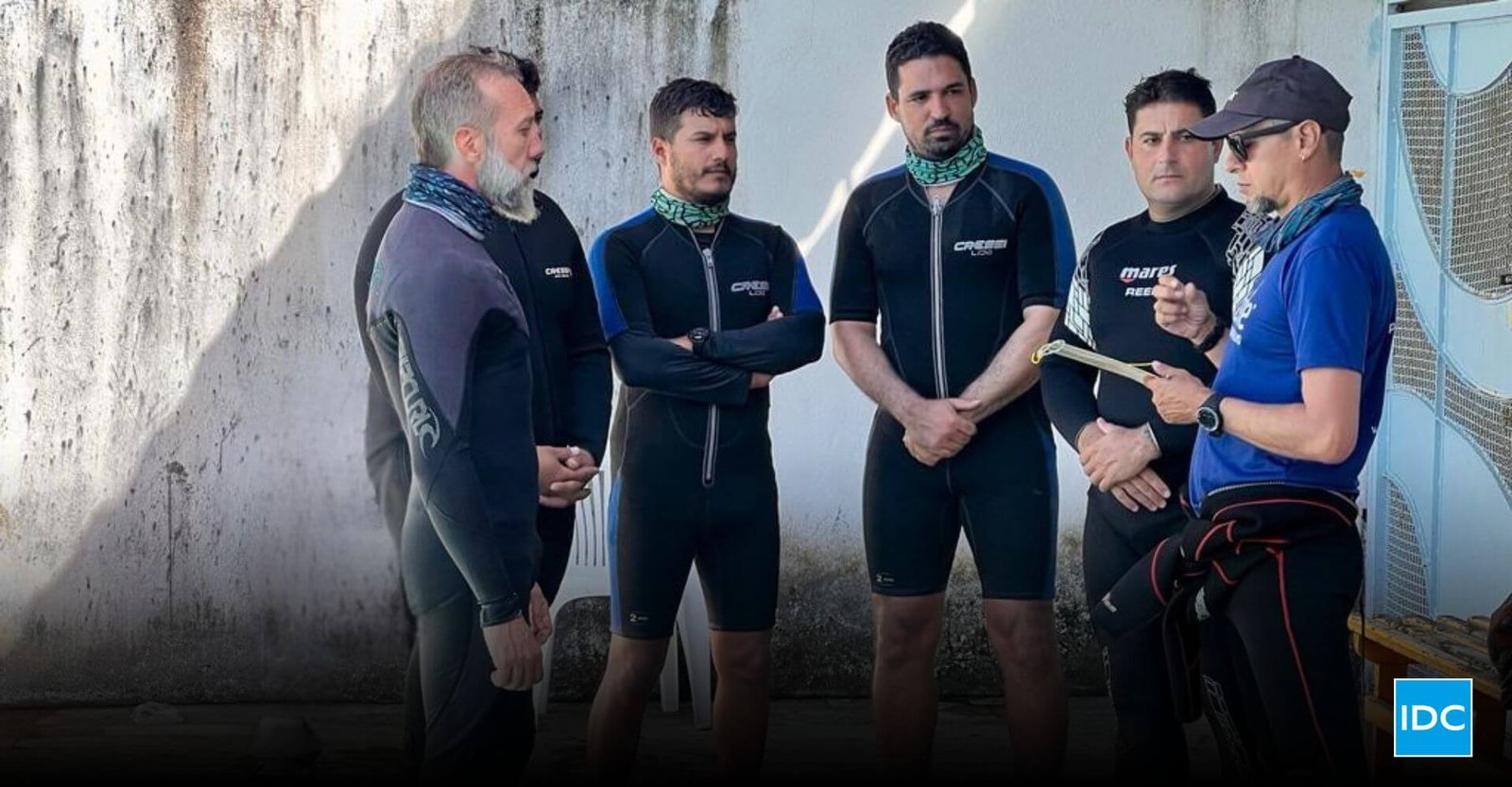
It’s your first season as a newly certified PADI Instructor, and you’re eager to land that dream job at a tropical dive resort. But as you send out your resume and walk into dive centers, you realize you’re one of dozens of instructors vying for the same position.
The dive instructor job market can feel incredibly competitive, and I’ve been there myself. As a dive shop manager and Course Director who’s hired instructors around the world, I know exactly what makes certain candidates rise to the top.
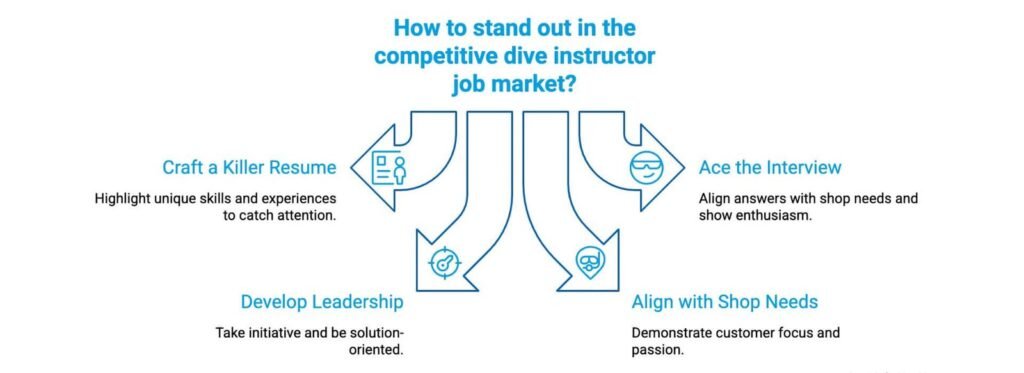
Let’s tackle the pain points head-on: crafting a killer dive CV, acing that interview, developing a leadership mindset, and aligning yourself with what dive shops really need. By the end of this post, you’ll have a personal game plan to stand out and get hired.
What Makes the Dive Job Market So Competitive?
Simply put, there are a lot of new instructors entering the field each year. Dive shops receive piles of applications, especially in popular destinations. In fact, the dive instructor job market is “highly competitive, with a large number of newly certified professionals seeking work”. This flood of candidates means employers can afford to be picky.
Many will choose experienced instructors or those with extra skills, making it tough for a brand-new Open Water Scuba Instructor [OWSI] to get noticed. It’s not hopeless, though. Understanding this reality is the first step. High turnover and seasonal hiring also play a role, since shops often need staff only for peak season, and the most coveted full-time spots have plenty of takers.
The good news is that demand exists for great instructors, because dive centers are looking for the next standout educator to join their team. Your mission is to show them you are that person.
How Can Your Dive Instructor Resume Stand Out?
When I’m reviewing instructor resumes, most look the same: certifications, number of dives, maybe a brief line about hobbies. To stand out, you need to go beyond the basics. Highlight the unique value you bring. Did you assist in dozens of courses during your Divemaster internship? Mention it. Are you fluent in Spanish or Mandarin?
Absolutely include that, since language skills are gold at tourist dive shops. List any specialty instructor ratings or relevant skills [boat handling, equipment technician, first aid instructor, etc.] that set you apart. Keep your CV clean and easy to read, and include a short, upbeat cover letter [or email] that shows personality.
For example, share a one-liner about why you love teaching, since enthusiasm matters. I once received a resume that opened with a brief story of the instructor’s first scuba experience and how it drives his teaching style. It was memorable and showed me his passion. Of course, check your spelling and grammar, and include professional references if possible [your Course Director or IDC Staff instructors make great references].
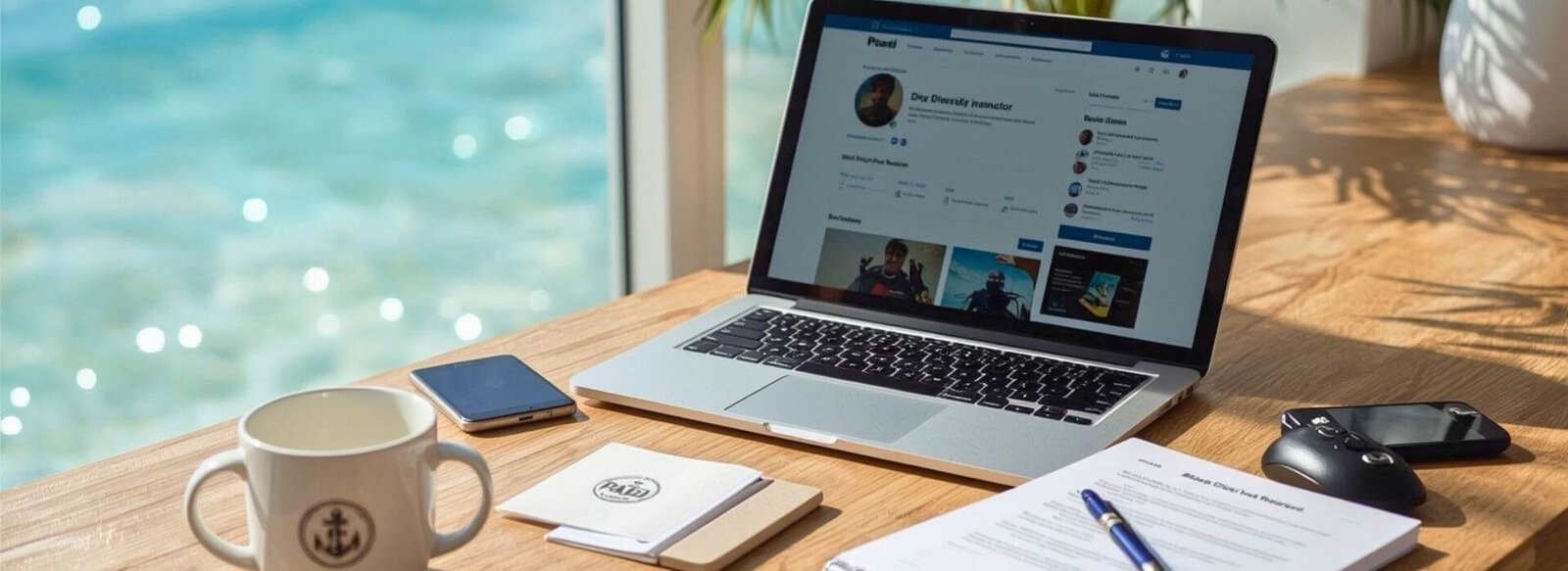
Finally, don’t neglect your online presence. These days, if I can’t find you on LinkedIn or see any dive-related social media, I worry you’re not keeping up. Make sure your LinkedIn and Facebook reflect your dive experience, because savvy shop owners will look. A polished resume paired with a professional online profile can get you onto the interview shortlist.
If you need help improving your professional visibility, check out my specialty on Marketing for PADI Pros.
What Are Dive Shops Really Looking For in Instructors?
Here’s the inside scoop: hiring managers aren’t just looking at your certification card. We’re searching for the whole package, someone who will enhance our team and delight our customers. According to dive center management insights, the top instructors combine solid technical qualifications with stellar people skills. Yes, you need to be a competent diver and teacher [holding recognized certifications and maybe a few specialties to offer a broader range of courses].
But equally important are traits like communication, adaptability, and attitude. Can you connect with a nervous beginner and make them feel at ease? Do you demonstrate patience when a student is struggling with skills? We also look for passion and initiative. An instructor who continues learning [for example, pursuing a new specialty or tech course] shows dedication. In my shop, the instructors who get rave reviews from students aren’t always the ones with the most dives, they’re the ones who go the extra mile to deliver an amazing experience.
Remember, dive centers want instructors who create “unforgettable experiences, ensure safety, and keep customers coming back,” as one industry guide notes. Show that you care about more than just punching the clock. If you have extras like marine conservation work, local environmental projects, or even experience in retail sales, highlight them, because anything that speaks to being a well-rounded dive professional with a customer-focused mindset is valuable.
How Do You Demonstrate a Leadership Mindset Early On?
You might think “I’m a brand-new instructor, not a leader.” But showing leadership qualities from day one can truly set you apart. Dive shop owners love instructors who take ownership and show initiative.
What does that look like in practice? It can be as simple as arriving early to help set up gear and organize the boat, without being asked. It’s mentoring the divemaster trainees who assist your course, or volunteering to plan the weekly fun dive for certified guests.
In my first instructor job, I started running informal extra workshops for our students [like buoyancy clinics] on my days off. Management noticed, and loved it. A leadership mindset also means being solution-oriented. If an issue comes up [missing rental gear, boat engine trouble, etc.], approach your boss with a proposed solution rather than just the problem. Even your attitude in daily tasks matters: do you treat this like “just a job,” or like you’re an integral part of the dive center’s success? Be the instructor who thinks like an owner. When you adopt that mentality, you build trust with the shop and they often reward you with more opportunities.
One of my former IDC candidates did exactly this, starting by suggesting ideas to improve the student checkout process and helping implement them. We eventually promoted him to Training Coordinator because of that proactive spirit. Leaders find a way to lead, regardless of official title. Show that spark, and employers will see you as someone worth keeping for the long run.
What Interview Strategies Will Help You Get Hired?
So you’ve gotten the call, and now it’s time to shine in the interview. As someone who’s sat on the interviewer’s side many times, trust me on these tips.
Do your homework on the dive center beforehand. If I mention our weekly shark dive and you respond with a blank stare, it tells me you didn’t bother to read our website. Instead, walk in (or hop on the Zoom call) already understanding the shop’s offerings and culture. Then, align your answers to their needs. If the shop does a lot of Discover Scuba Diving experiences, you might emphasize your talent for working with first-timers and nervous swimmers. If they cater to expert divers, maybe talk up your deep diving or wreck specialty experience.
When asked about yourself, focus on relevant strengths: “I’m not only a PADI Open Water Scuba Instructor, but I also speak French, which I noticed a lot of your customers are from Quebec.” This shows you’ll slot right in.
Be ready for scenario questions too: “What would you do if…?” They want to hear that you prioritize safety, customer service, and teamwork in your solutions. It’s perfectly fine to take a moment to think and then walk through your approach methodically.
Another pro tip: come with your own questions. Ask about things like the student-to-instructor ratio, the equipment, or what they value in their instructors. It shows engagement and that you’re thoughtfully picturing yourself in the role. And of course, basic interview etiquette goes a long way. Be on time (or a few minutes early), dress presentably (your dive t-shirt is fine if it’s neat), and wear a genuine smile. Let your enthusiasm for the job shine through. Dive shop managers want instructors who want to be there.
Close the interview by briefly reiterating how excited you are about the possibility: “I really admire what your team is doing here, and I’d love to be a part of it.” That positive energy can be contagious.
How Can You Align with a Dive Shop’s Needs from Day One?
Every dive operation has its own vibe and priorities. The sooner you understand and embrace them, the faster you’ll secure your place on the team. I recommend asking about the shop’s goals during your interview or even on your first day if you’re hired. Do they want to certify lots of new divers? Sell more continuing education courses? Maybe expand eco-programs? Once you know, think about how you can contribute.
For example, if the shop prides itself on elite-level training, you might pursue becoming a Master Scuba Diver Trainer to teach more specialties (and yes, that makes you more valuable, I experienced this boost firsthand when I became an MSDT). If they focus on customer loyalty, make it your mission to remember returning divers’ names and preferences.
In my current role, our shop’s focus is on building diver loyalty, and I can’t stress enough that every little interaction counts. As an instructor, align with that by delivering top-notch customer service, because “customer service is the single biggest factor in building loyalty” in diving. Also, fit into the team culture: observe how the staff operates on a daily basis. If everyone pitches in to clean and rinse gear at day’s end, don’t be the first to leave. If the shop has monthly beach clean-ups, join in.
By aligning with their way of doing things, you stop being “the new hire” quickly and start being “one of the crew.” Dive centers notice an instructor who gets it. And when the next opportunity for advancement comes up (lead instructor, manager, etc.), guess who they’ll consider? The individual who has been in sync with the shop’s needs and culture from day one — you.
Ready to Work Smarter With Career Support at Your Fingertips?

To make everything I’ve just shared easier and more actionable, I created a CustomGPT exclusively for my IDC students.
As a newly certified instructor, you now have access to a unique AI tool designed to help you build and grow your professional career: the Dive Career Coach, your personal HR and career development assistant.
This CustomGPT is here to guide you throughout your entire professional journey, helping you stand out, grow, and achieve your goals with:
✅ Instant support for creating cover letters, outreach emails, and job applications
✅ Guidance on how to prepare for interviews and present yourself confidently
✅ Step-by-step help to improve your résumé and LinkedIn profile
✅ Career advice on marketing yourself, finding the right job, and negotiating offers
✅ Practice tools to improve your professional communication
Whether you are applying for your first instructor job, moving into management, or building your personal brand as a dive pro, this GPT is your reliable and knowledgeable career partner.
Work smarter, communicate confidently, and grow professionally with expert guidance always available at your fingertips.
Building Your Dream Dive Career Starts Now
Standing out in the dive instructor job market isn’t about luck, it’s about strategy and mindset. Which tip resonates with you the most? Maybe you’ll revamp your resume this week, or perhaps you’re inspired to take on a leadership role in your next gig. I’d love to hear your plan or any challenges you’re facing – feel free to drop a comment or question, and let’s get the conversation going.
Ready to take the next step in your dive career? If you’re determined to land that job and shine as an instructor, don’t go it alone. As a Course Director, I offer one-on-one career consulting to help new instructors succeed – from resume advice to interview coaching and beyond.
Contact me to fast-track your journey to becoming the dive professional every shop wants on their team. Your dream dive job is out there – let’s make sure you’re the standout who gets it!
Prove You’re the Dive Instructor Every Shop Wants!
1. Why is the dive instructor job market so competitive?
2. What should you emphasize to make your dive CV stand out?
3. Beyond technical ability, what do dive shops prize in new instructors?
4. What shows a leadership mindset as a brand new instructor?
5. Best interview prep for a resort instructor role?
6. How do you align with a shop’s goals from day one?

Luis Miguel
PADI Course Director | Tec Trimix Instructor Developing Dive Professionals for Real Careers