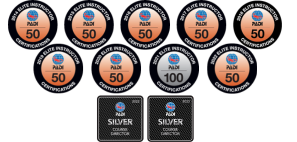
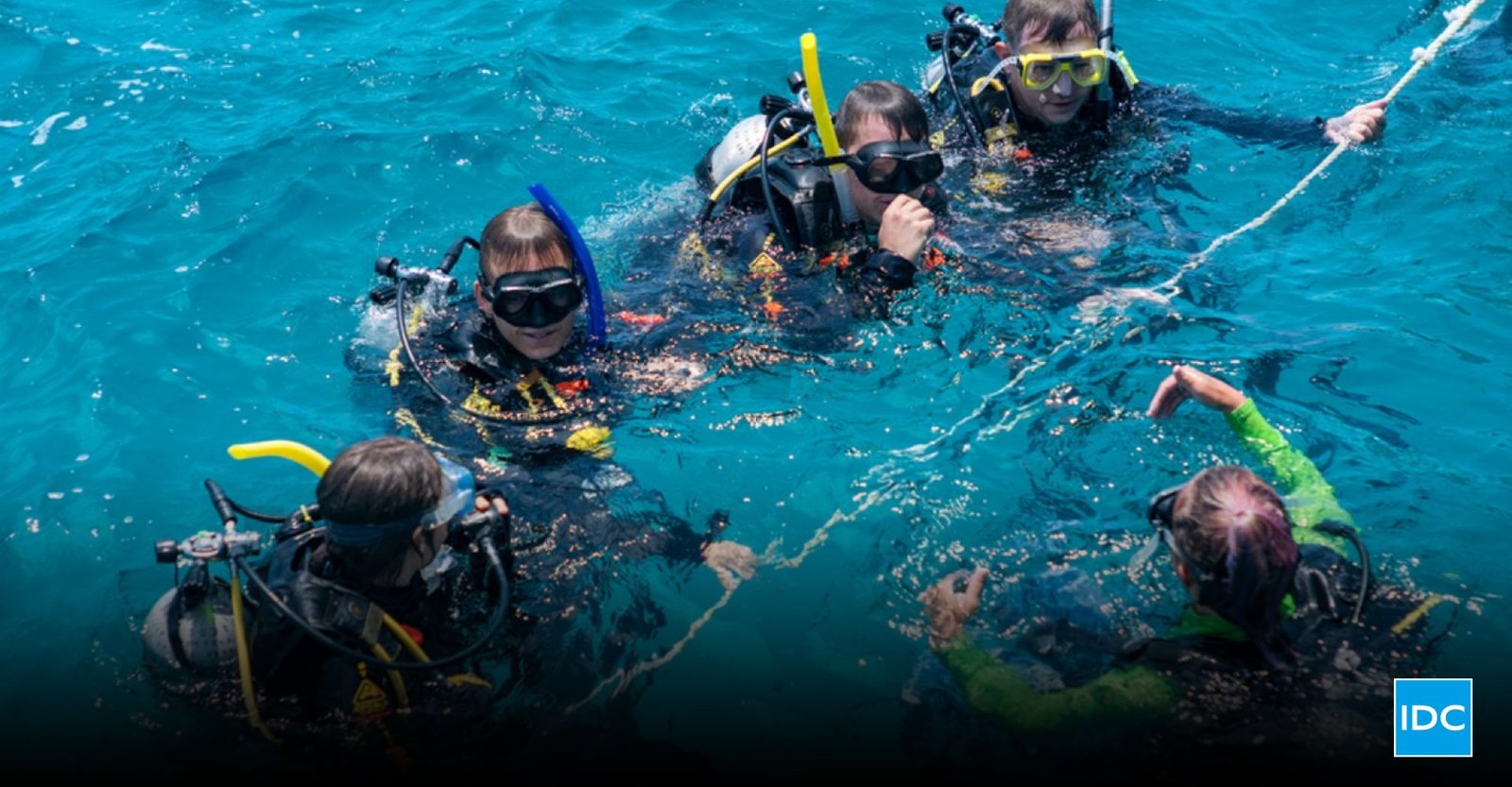
One of the biggest mistakes Divemaster candidates make is choosing a divemaster course based on the name, the destination, or the price. Those details are easy to compare, but they rarely define the quality of training you actually receive. The single most important factor in your Divemaster training is the instructor behind the program, not the logo on the certification card.
When people research a divemaster course, they usually focus on questions like how hard is it to become a Divemaster, how long it takes, or what does a Divemaster do once certified. These are reasonable questions, but they overlook something critical. Someone has to shape those answers during your training, and that responsibility sits entirely with the instructor delivering the program, not the agency framework itself.
A divemaster course can prepare you for real dive operations, or it can leave you technically certified but unprepared for daily responsibilities. I see this difference clearly when candidates compare generic programs with structured training like the PADI Divemaster Course in Roatan, where instructor involvement and operational exposure play a much bigger role than timelines or pricing.
How hard is the Divemaster course in practice?
When candidates ask how hard is the Divemaster course, they often think about swim tests, theory exams, or stamina exercises. Those elements matter, but they are not what truly defines the difficulty of professional-level training.
The real challenge is learning to think and act like a dive professional. That means developing judgment, situational awareness, consistency, and calm decision-making under pressure. An experienced instructor uses realistic scenarios to push candidates beyond minimum standards. They focus on leadership, problem prevention, and accountability, skills that shortcut-based programs often ignore.
A weak divemaster course feels easy because expectations are low. A strong course feels demanding because it prepares candidates for the same responsibility dive centers expect from working professionals.
What are the duties of a Divemaster in real dive operations?

Many candidates search for what are the duties of a Divemaster and find clean, textbook explanations. Assisting instructors, guiding certified divers, supervising activities. All of that is correct, but it only scratches the surface.
In real dive operations, Divemasters manage people, timing, equipment flow, safety margins, and communication. They anticipate issues before they develop and adapt to changing conditions underwater and on the surface. Public-facing explanations, such as this article explaining what a Divemaster does help set expectations, but they do not replace operational training guided by an experienced instructor.
Instructors who actively lead dive operations understand these realities. They know what dive centers expect, which habits make a Divemaster valuable, and which behaviors make them unreliable. This operational knowledge cannot be learned from manuals alone. It must be demonstrated, practiced, and reinforced throughout the divemaster course.
Which is higher, Divemaster or instructor, and why it matters
Another common question is which is higher Divemaster or instructor. On paper, the hierarchy is clear, but the real value of this question lies in how instructor level affects training quality.
Instructors who regularly train Divemasters and work at instructor-level programs bring structure, consistency, and accountability into the divemaster course. They understand progression and professional standards, and they know how to prepare candidates to perform confidently at their level. This also clarifies the real difference between Divemaster and Instructor not just in certification authority, but in responsibility, mindset, and leadership expectations.
Strong instructors do not blur responsibilities. They define them clearly and train accordingly, which makes Divemasters more effective and employable.
How long does it take to become a Divemaster, and why time is misleading
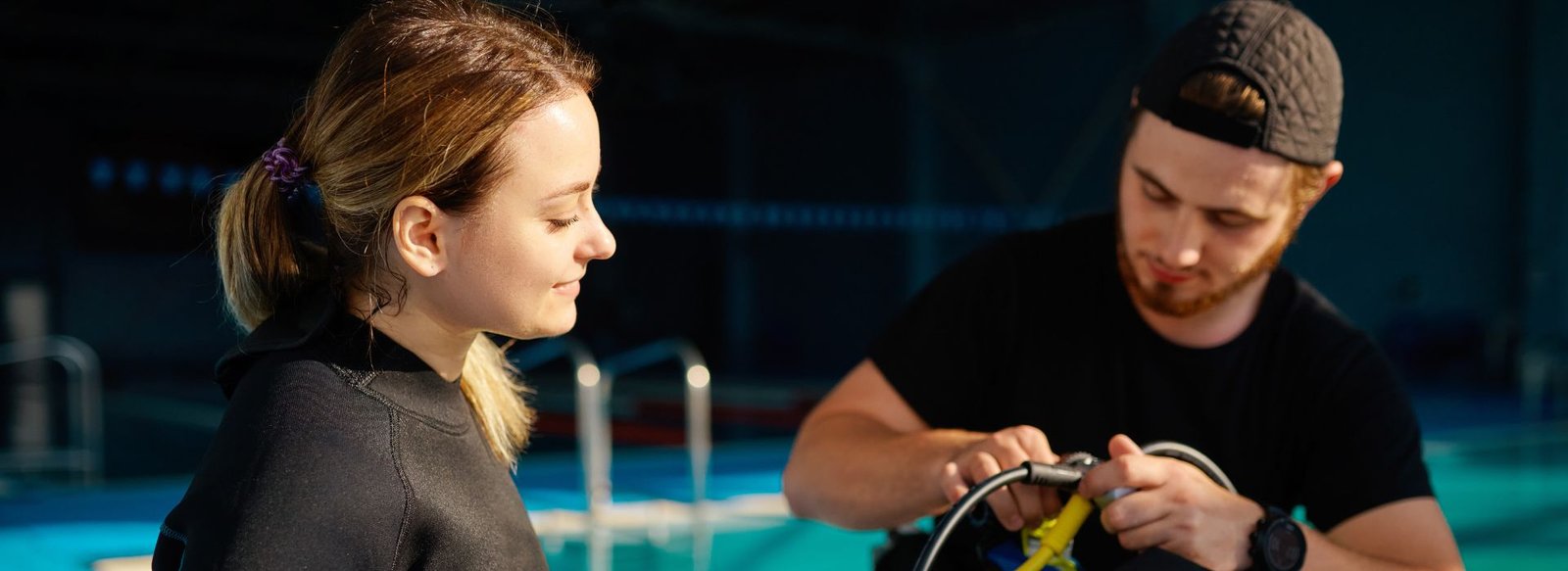
Candidates often ask how long does it take to become a Divemaster, hoping for a clear timeline. The honest answer is that time alone means very little.
Some programs rush candidates through minimum requirements. Others take longer but offer meaningful exposure to real operations. Neither speed nor duration guarantees quality. What matters is how training time is used and how performance is evaluated.
The same logic applies when selecting mentors at higher professional levels. Choosing the right Course Director for your dive career follows the same principle as choosing a Divemaster instructor, experience, standards, and accountability matter more than promises or schedules.
Before finishing, take a moment to reflect on your own training goals and questions. Choosing the right instructor starts with asking better questions.
Choose the instructor before the Divemaster course
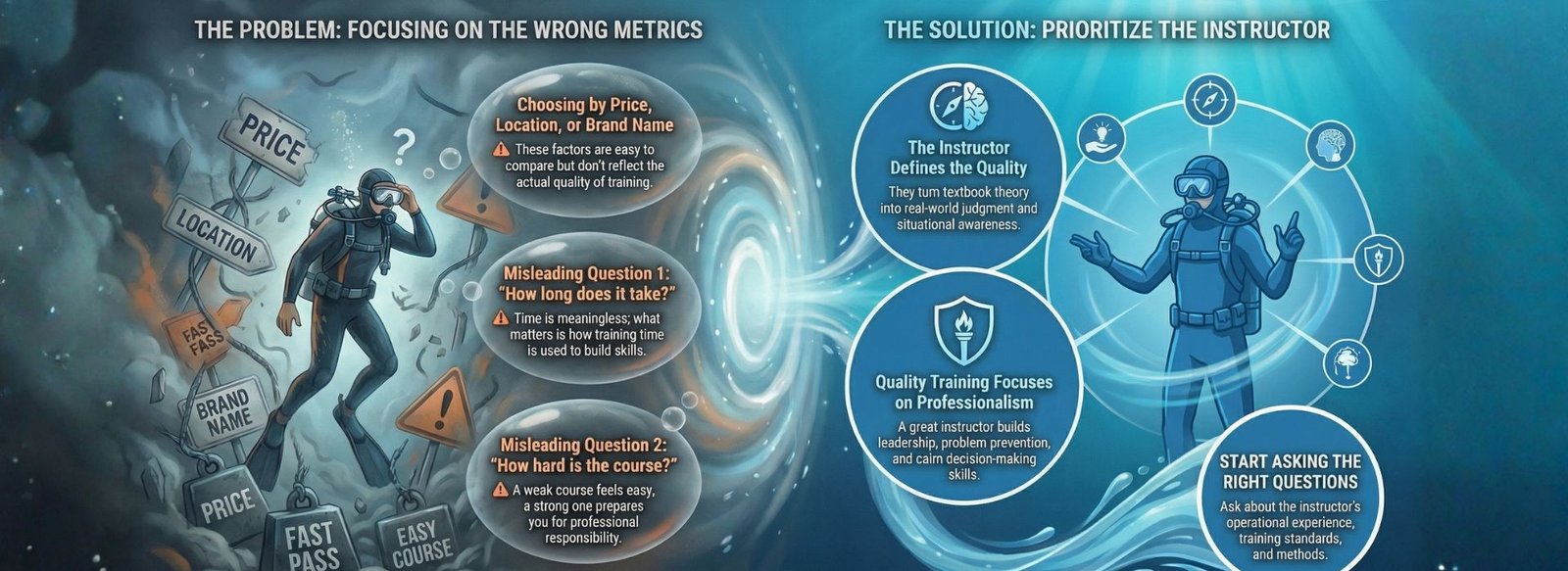
Choosing a divemaster course is not about marketing, titles, or shortcuts. It is about learning from someone who has trained divers, led dive operations, managed risk, and developed Divemasters who succeed in the industry.
The quality of your instructor defines the quality of your Divemaster certification. If you want confidence, employability, and long-term growth, stop comparing prices and locations. Start asking who is teaching you, how they train, and what standards they enforce.
That decision matters far more than the course name ever will.
Test Your Dive Sales Mindset
Your Divemaster Career Starts With the Right Instructor
Price and location do not define your training. Standards, experience, and real operational exposure do. Discover what separates a strong Divemaster course from one that only checks boxes.
Choose Your Divemaster Training Wisely