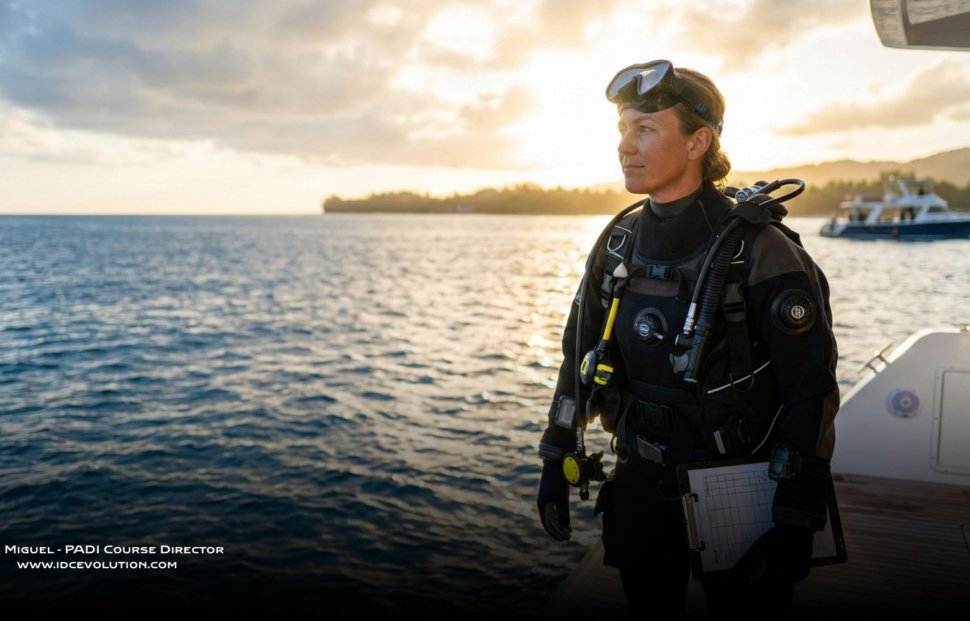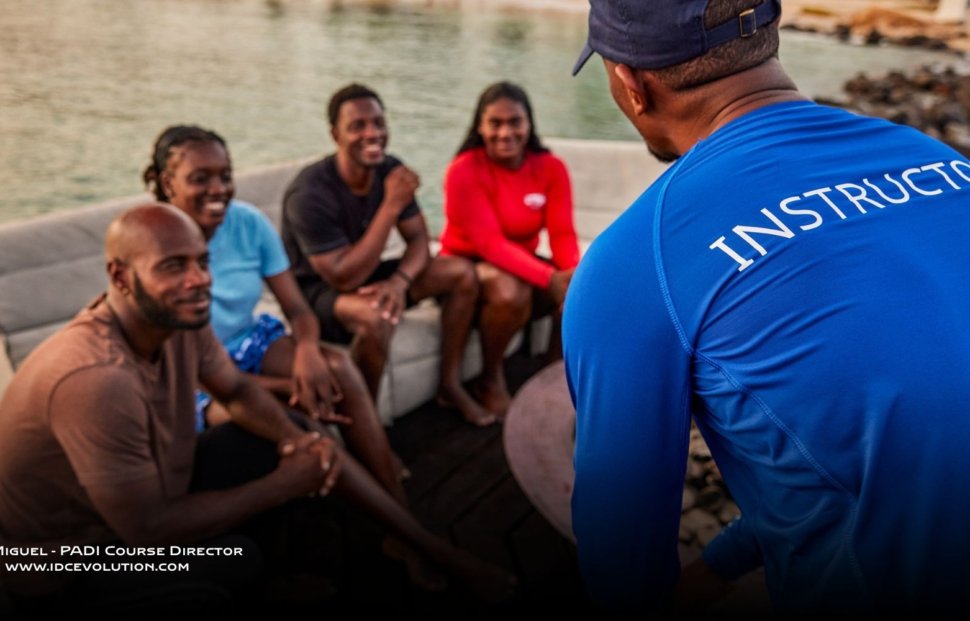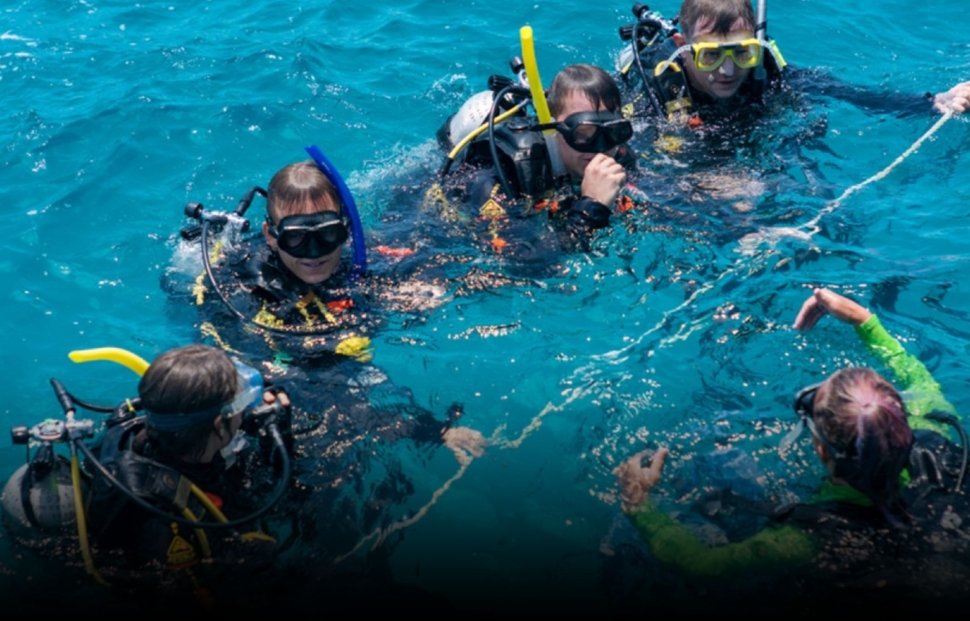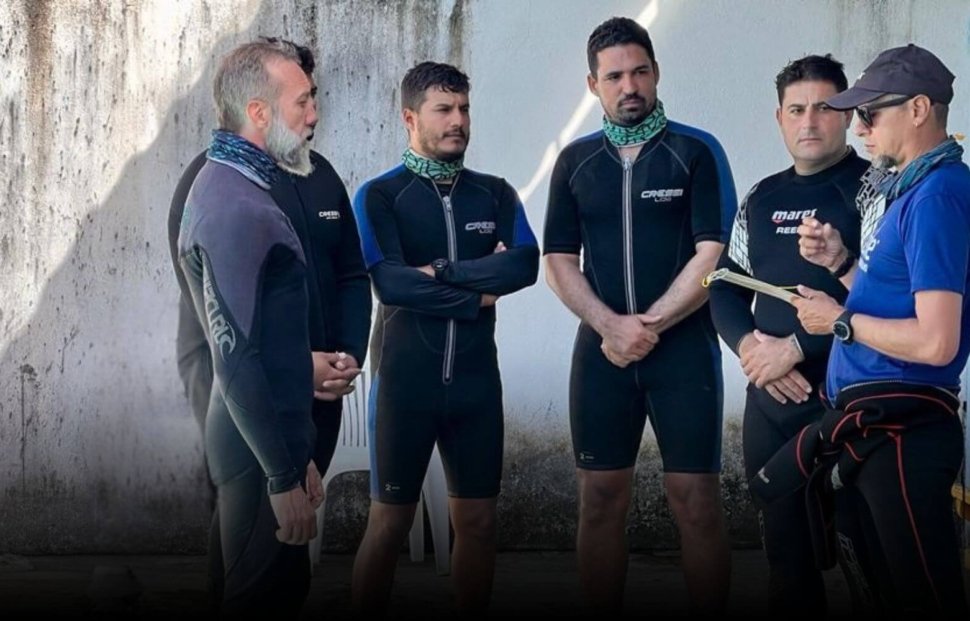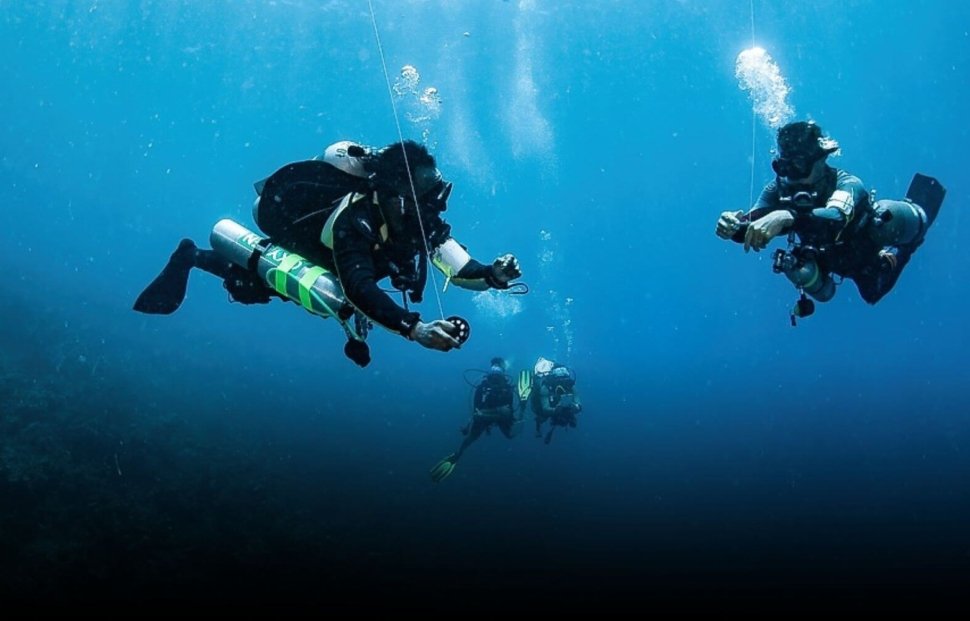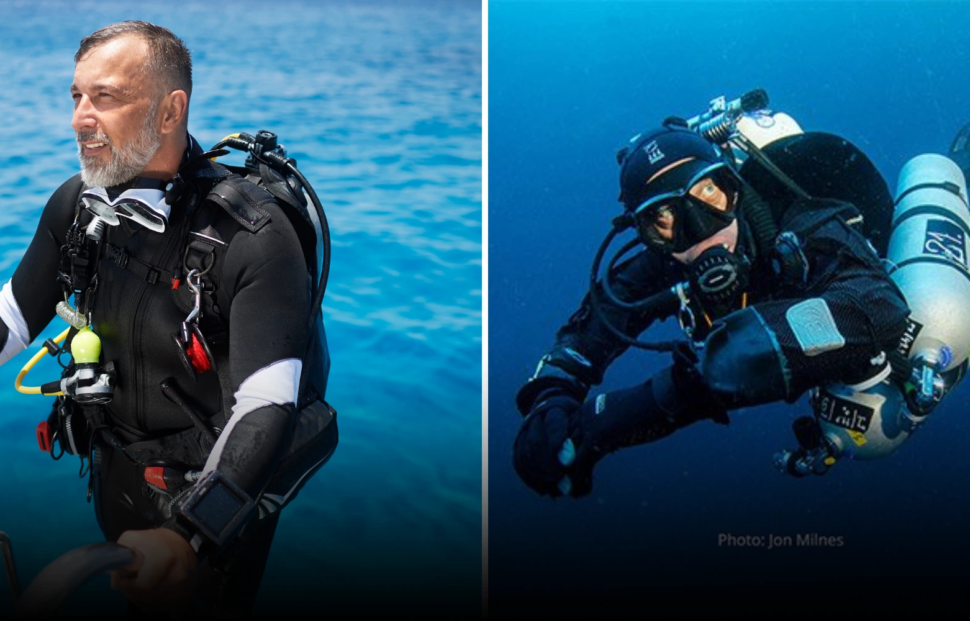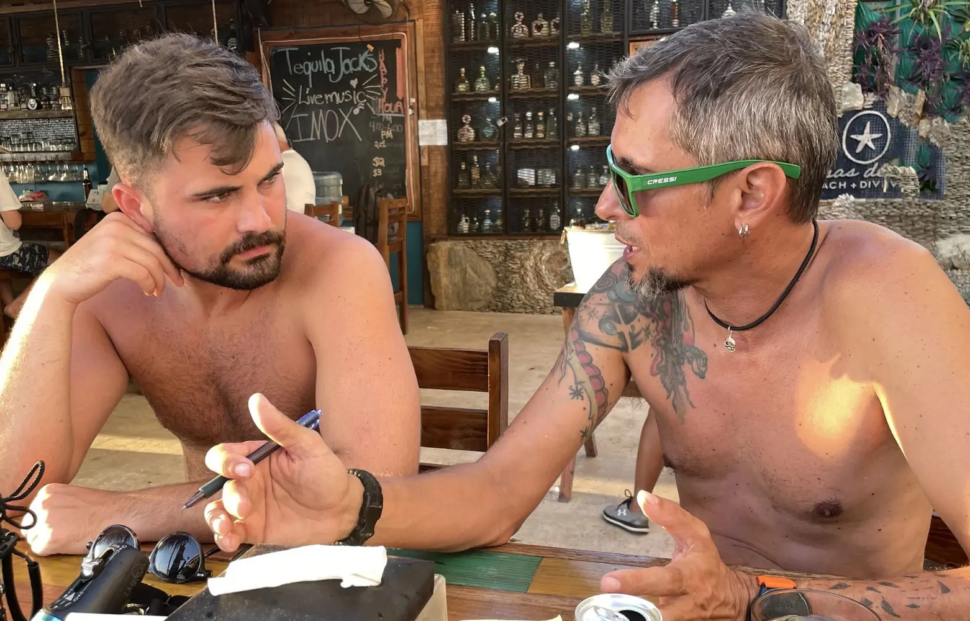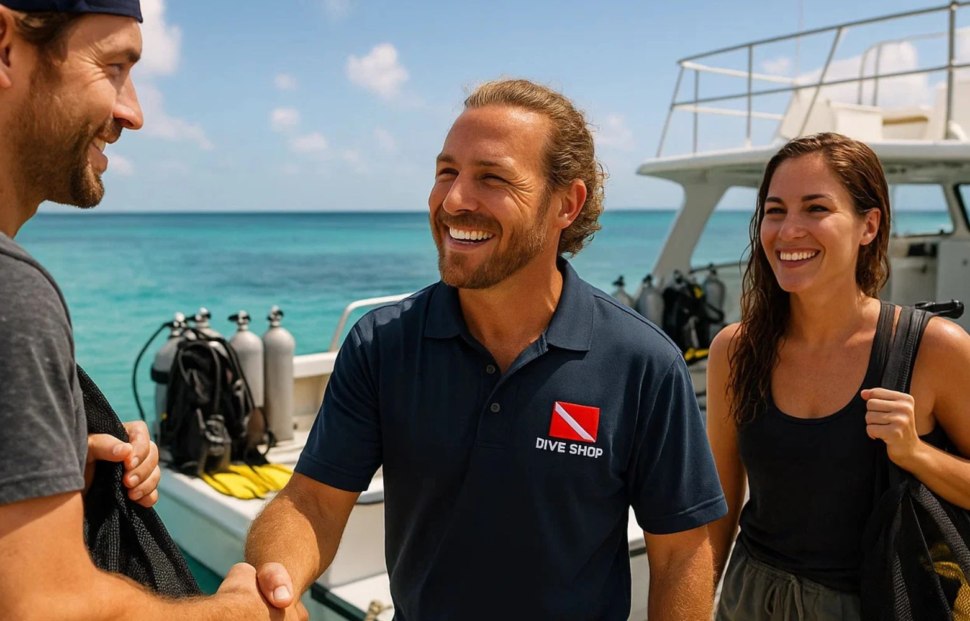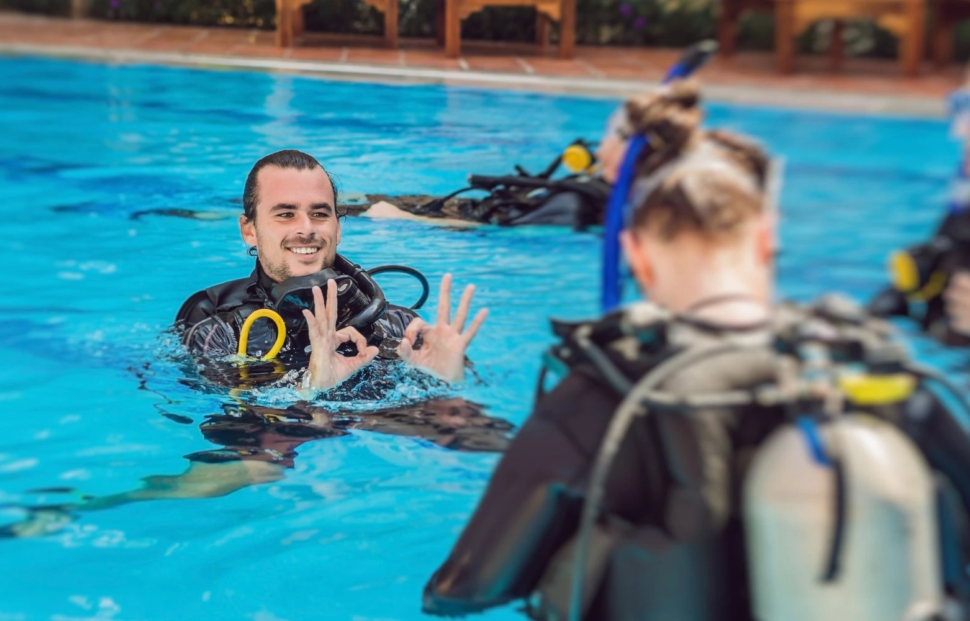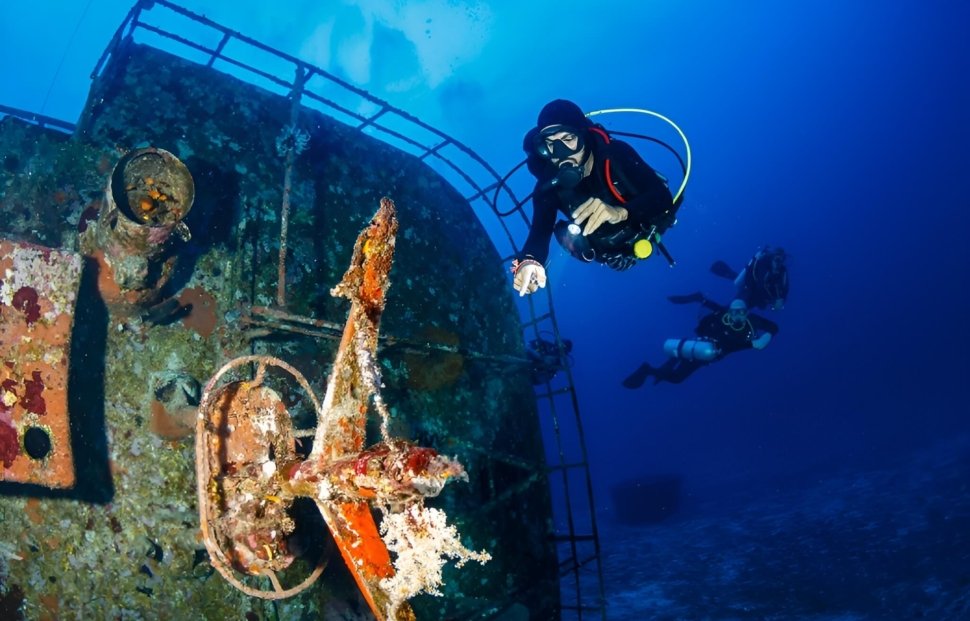
Am I ready for the PADI IDC? Instructor briefing future dive pros before training.

Ready for the PADI IDC? How to Know Before You Apply

If the PADI IDC is on your mind, you are probably asking, am I actually ready, or am I just excited? From Brazil to Roatán, I have seen the same pattern, the candidates who succeed are not perfect, they are consistent, prepared, and coachable. If you want to become a PADI instructor and you are ready to become a dive instructor, your job is to show up trainable, not flawless.

This is my quick IDC self assessment. It checks four areas that predict success, water comfort, theory clarity, leadership habits, and coachability. You do not need to score high everywhere. You only need to know what to sharpen before you invest.

If you keep asking yourself, “am I ready for the PADI IDC,” this checklist will give you a clear answer and a clear next step.

Am I ready for the PADI IDC, or just motivated?

Motivation is fuel, yet readiness is structure. The IDC is where you become an instructor, under standards and pressure, inside real professional dive training. If you want a reality check on the responsibility jump, read Divemaster vs. Dive Instructor, then come back to this checklist with fresh eyes.

PADI IDC water comfort check, can you demonstrate skills calmly?

In confined water skill demonstration, calm control beats speed. Ask yourself:

  • Can I hold neutral buoyancy while I do a skill, without drifting up or down?
  • Can I keep stable trim, and still look relaxed while solving a problem?
  • Can I demonstrate slowly for a nervous student?

If the answer is “sometimes,” good, that means you know what to train.

This is the part most people ignore when they ask, “am I ready for the PADI IDC,” because calm control is hard to fake.

ADI IDC requirements and readiness checklist, self assessment and training plan.

Dive theory confidence check, do you understand the “why”?

In the IDC, you are not proving you can memorize, you are proving you can explain. Quick dive theory confidence audit:

  • Can I explain pressure, buoyancy, and ascent rates in plain language?
  • Can I explain equalization and nitrogen loading clearly?
  • Can I plan a no stop dive with the RDP or eRDPML, and explain the logic?

For instructor development course prep, this PADI article is a solid expectation setter:
What to consider before taking your PADI IDC.

If you want to know how to know if you are ready for the IDC, listen to how you explain theory out loud, not how you score on a quiz.

Dive briefing and leadership skills, are you acting like a dive pro?

You do not need years of leadership, however you do need habits, especially dive briefing and leadership skills:

  • Are my briefings structured, short, and clear?
  • Do I scan the group and environment, not just myself?
  • Do I fix small issues early?

If you want a simple divemaster to instructor progression, use
PADI instructor course after Divemaster as your dive pro pathway.

These are dive pro habits that make the PADI IDC feel like training, not survival.

Divemaster to instructor preparation, gear setup and leadership habits before the PADI IDC

Coachability and feedback mindset, can you take correction without ego?

This is the accelerator. A good instructor training mentor can sharpen you fast, yet only if your coachability and feedback mindset is solid, especially in a competitive scuba instructor job market.

  • Do I get defensive, or curious?
  • Under stress, do I stay flexible?
  • Can I apply feedback immediately?

Coachability is what turns “ready to become a dive instructor” into “ready to pass the IDC.”

PADI IDC readiness score, what “ready enough” looks like

Score each area 0, 1, or 2:

  1. Water comfort and control
  2. Theory clarity
  3. Leadership habits
  4. Coachability

Total score:

  • 0 to 3: Not ready yet, build basics, reassess in 4 to 8 weeks.
  • 4 to 6: Almost ready, you need consistency more than new knowledge.
  • 7 to 8: Ready enough, you will absorb coaching fast.

This is your simple PADI IDC requirements and readiness checklist, because it tells you what to train first.

PADI IDC requirements and readiness checklist, self assessment and training plan.

Shouldn’t you learn these skills during the PADI IDC?

I get this question all the time, and the honest answer is no, not from zero. These are Divemaster level fundamentals. The PADI IDC is where you learn to teach those skills, demonstrate them to standards, fix mistakes fast, and perform under real evaluation. In other words, the IDC does not build your base, it polishes and professionalizes it.

So if your buoyancy or trim is inconsistent, if your theory feels shaky, or if your briefings are messy, that does not mean you are “not meant” for a dive instructor career. It simply means you should tighten the foundation now, so the IDC becomes a multiplier instead of a struggle.

Before you scroll, drop a comment and tell me where you feel strongest right now, water skills, theory, leadership, or coachability. Then tell me the one area you want to improve most. I read the comments and I’ll reply with a practical next step.

If you are not ready for the PADI IDC yet, here is the fastest way to get there

If you are asking, “am I ready for the PADI IDC,” do this:

  • Drill one weak water skill until it is repeatable, three clean reps in a row.
  • Study one theory topic per week, and practice teaching it out loud.
  • Lead on purpose, better briefings, better site checks, better awareness.

That is the best way to prepare for a dive instructor career, and it is also how to know if you are ready for the IDC, because your consistency answers the question.

If you want the full PADI instructor course structure, and how to prepare for the PADI instructor course with a clear plan, start here: PADI IDC Roatan.

PADI IDC Readiness Check

Are You Ready for the PADI IDC?

This short quiz checks whether your preparation matches the real demands of instructor training. Answer honestly.

1. What matters most during confined water skill demonstrations in the IDC?

Correct answer: Calm control and stability
Brief explanation: Instructor candidates are evaluated on how clearly and calmly they demonstrate skills for students, not how fast they perform them.

2. How should dive theory readiness be evaluated before starting the IDC?

Correct answer: By explaining concepts in plain language
Brief explanation: The IDC tests your ability to teach theory clearly, not just recall information.

3. Which behavior best reflects strong leadership habits before the IDC?

Correct answer: Scanning the group and fixing small issues early
Brief explanation: Good leadership is proactive and aware, not reactive.

4. Why is coachability critical during the PADI IDC?

Correct answer: Because improvement depends on applying feedback
Brief explanation: Coachability is what allows candidates to progress fast under pressure.

5. What does being ready enough for the PADI IDC really mean?

Correct answer: Having a solid foundation that can be polished
Brief explanation: The IDC refines Divemaster level fundamentals, it does not build them from zero.

Ready for the PADI IDC?
Get Your Readiness Plan in 10 Minutes

Tell me your score and where you feel shaky, and I’ll help you choose the fastest next steps, skills, theory, or mindset. Drop a comment first, then schedule a quick call.

Schedule Your Readiness Call
Divemaster course training led by an experienced instructor guiding candidates during a real dive operation

Why Choosing the Right Instructor Matters More Than Choosing the Divemaster Course Itself

Divemaster course training led by an experienced instructor guiding candidates during a real dive operation

One of the biggest mistakes Divemaster candidates make is choosing a divemaster course based on the name, the destination, or the price. Those details are easy to compare, but they rarely define the quality of training you actually receive. The single most important factor in your Divemaster training is the instructor behind the program, not the logo on the certification card.

When people research a divemaster course, they usually focus on questions like how hard is it to become a Divemaster, how long it takes, or what does a Divemaster do once certified. These are reasonable questions, but they overlook something critical. Someone has to shape those answers during your training, and that responsibility sits entirely with the instructor delivering the program, not the agency framework itself.

A divemaster course can prepare you for real dive operations, or it can leave you technically certified but unprepared for daily responsibilities. I see this difference clearly when candidates compare generic programs with structured training like the PADI Divemaster Course in Roatan, where instructor involvement and operational exposure play a much bigger role than timelines or pricing.

How hard is the Divemaster course in practice?

When candidates ask how hard is the Divemaster course, they often think about swim tests, theory exams, or stamina exercises. Those elements matter, but they are not what truly defines the difficulty of professional-level training.

The real challenge is learning to think and act like a dive professional. That means developing judgment, situational awareness, consistency, and calm decision-making under pressure. An experienced instructor uses realistic scenarios to push candidates beyond minimum standards. They focus on leadership, problem prevention, and accountability, skills that shortcut-based programs often ignore.

A weak divemaster course feels easy because expectations are low. A strong course feels demanding because it prepares candidates for the same responsibility dive centers expect from working professionals.

What are the duties of a Divemaster in real dive operations?

Divemaster course mentorship showing instructor supervision and real-world underwater decision making

Many candidates search for what are the duties of a Divemaster and find clean, textbook explanations. Assisting instructors, guiding certified divers, supervising activities. All of that is correct, but it only scratches the surface.

In real dive operations, Divemasters manage people, timing, equipment flow, safety margins, and communication. They anticipate issues before they develop and adapt to changing conditions underwater and on the surface. Public-facing explanations, such as this article explaining what a Divemaster does help set expectations, but they do not replace operational training guided by an experienced instructor.

Instructors who actively lead dive operations understand these realities. They know what dive centers expect, which habits make a Divemaster valuable, and which behaviors make them unreliable. This operational knowledge cannot be learned from manuals alone. It must be demonstrated, practiced, and reinforced throughout the divemaster course.

Which is higher, Divemaster or instructor, and why it matters

Another common question is which is higher Divemaster or instructor. On paper, the hierarchy is clear, but the real value of this question lies in how instructor level affects training quality.

Instructors who regularly train Divemasters and work at instructor-level programs bring structure, consistency, and accountability into the divemaster course. They understand progression and professional standards, and they know how to prepare candidates to perform confidently at their level. This also clarifies the real difference between Divemaster and Instructor not just in certification authority, but in responsibility, mindset, and leadership expectations.

Strong instructors do not blur responsibilities. They define them clearly and train accordingly, which makes Divemasters more effective and employable.

How long does it take to become a Divemaster, and why time is misleading

Divemaster course training showing responsibility for equipment, safety checks, and dive preparation

Candidates often ask how long does it take to become a Divemaster, hoping for a clear timeline. The honest answer is that time alone means very little.

Some programs rush candidates through minimum requirements. Others take longer but offer meaningful exposure to real operations. Neither speed nor duration guarantees quality. What matters is how training time is used and how performance is evaluated.

The same logic applies when selecting mentors at higher professional levels. Choosing the right Course Director for your dive career follows the same principle as choosing a Divemaster instructor, experience, standards, and accountability matter more than promises or schedules.

Before finishing, take a moment to reflect on your own training goals and questions. Choosing the right instructor starts with asking better questions.

Choose the instructor before the Divemaster course

Divemaster course comparison showing why instructor experience matters more than price, location, or speed

Choosing a divemaster course is not about marketing, titles, or shortcuts. It is about learning from someone who has trained divers, led dive operations, managed risk, and developed Divemasters who succeed in the industry.

The quality of your instructor defines the quality of your Divemaster certification. If you want confidence, employability, and long-term growth, stop comparing prices and locations. Start asking who is teaching you, how they train, and what standards they enforce.

That decision matters far more than the course name ever will.

Test Your Dive Sales Mindset

Test Your Dive Sales Mindset

Your Divemaster Career Starts With the Right Instructor

Price and location do not define your training. Standards, experience, and real operational exposure do. Discover what separates a strong Divemaster course from one that only checks boxes.

Choose Your Divemaster Training Wisely
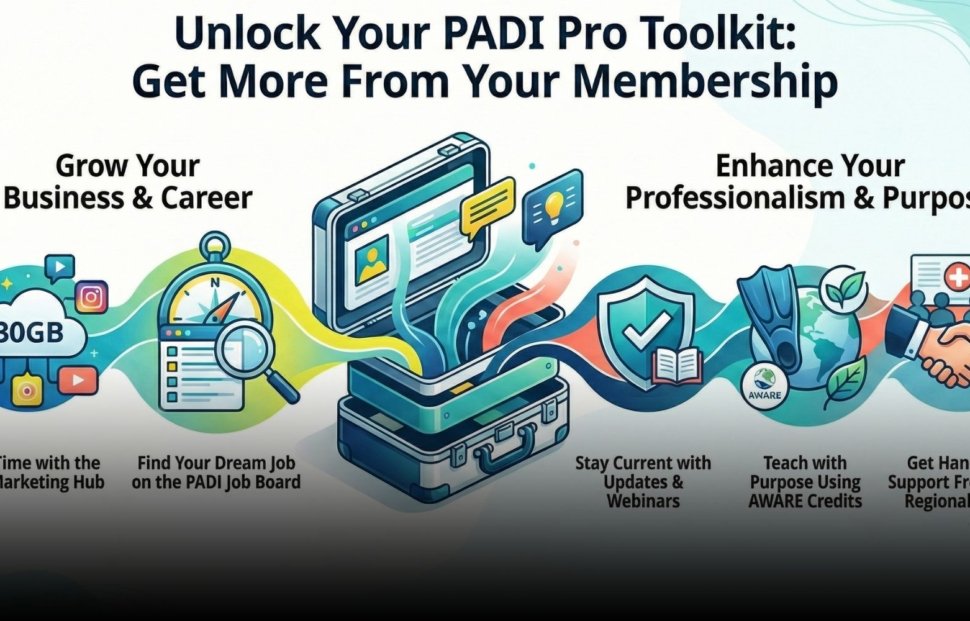
Infographic about PADI membership benefits showing tools like the Marketing Hub, Job Board, AWARE credits, updates and regional support.

PADI membership benefits, renewal fees are not the problem

Infographic about PADI membership benefits showing tools like the Marketing Hub, Job Board, AWARE credits, updates and regional support.

Every year, around mid November, the ritual repeats. PADI sends the renewal email and Divemasters and Instructors start to complain in private chats and Facebook groups. Most of those comments attack the price and ignore the real PADI membership benefits that sit behind that invoice.

I understand the emotion. I felt it myself a few times since I became a PADI professional. After many years training pros in Brazil and now in Roatan, I learned something important. The problem is rarely the renewal amount. The problem is that many PADI pros barely use half of what they are paying for.

What if your PADI membership is not a bill, but a personal toolkit?

When that renewal email lands in your inbox, what is really behind your reaction. Are you angry at the number, or frustrated because you did not teach as much as you planned.

In a solid year, with plenty of PADI certifications, Divemaster trainees and IDC candidates, renewal feels like a normal cost, similar to servicing your regulators. In a slow year, the same amount suddenly looks unfair.

So instead of staring at the price, it helps to open the toolbox and ask a simple question. Which PADI membership benefits actually support you as a working Divemaster or Instructor.

How can the PADI Marketing Hub change your day to day work?

Screenshot of the PADI Marketing Hub showing toolkits that are part of PADI membership benefits.

For me, the most underrated benefit is the PADI Marketing Hub. The first time I explored it properly, I realised there are more than 30 GB of ready to use material waiting there. You get social media posts, email templates, quality images, short videos and full campaign packs.

PADI explains many of these tools in the article Explore Your PADI Membership Benefits. I like to read that page as if I was checking my own toolbox, not a corporate brochure.

Think about how many hours you spent last year designing posts, writing captions from zero or trying to promote a course. Now imagine you log in, download a PADI campaign, adjust a few details and have a full week of content ready in less than an hour. Used this way, the Marketing Hub turns PADI membership benefits into saved time, more visibility and more course bookings.

Why do PADI Member Updates and webinars protect your reputation?

Another part many pros skip is the stream of PADI Member Updates and webinars. Training Bulletin Live, Member Forums and topic focused webinars are not corporate noise. They are your direct line to standards changes, risk management reminders and teaching tips.

The article PADI Professional and Business Membership Benefits shows how these pieces fit together. Reading it carefully at least once a year helps you see which PADI membership benefits you are not using yet.

As a PADI Course Director, I see a clear pattern. The pros who follow updates and attend Member Forums usually have fewer standards issues and stronger course evaluations. Staying current is not about pleasing PADI. It is about protecting your students and your own name as a professional.

How powerful is the PADI Job Board if you really decide to use it?

PADI Job Board interface listing diving instructor jobs, highlighting career opportunities from PADI membership benefits.

Think for a moment about your dream job. Maybe it is Indonesia, the Red Sea, the Maldives, Mexico or Roatan. Maybe you want a liveaboard, a resort position or a different country every season.

As a PADI pro, you have exclusive access to the PADI Job Board. It is simple, yet very powerful. You build a clear profile, list your PADI certifications and specialties and suddenly see offers from places you used to know only from dive magazines.

In my career, and in the careers of many instructors I mentored in PADI IDC Roatan, the Job Board opened doors that would be almost impossible to find alone. Your membership becomes a passport to work almost anywhere, but only if you keep your profile updated and actually apply.

So ask yourself, when was the last time you refreshed your Job Board profile, uploaded a current CV and searched for roles that truly match your dream.

How do AWARE and other specialties help you teach with purpose?

One of my favourite PADI membership benefits is the free AWARE Specialty Instructor applications. Many instructors say they want to protect the ocean and teach with more purpose, yet their calendar stays full of only the classic specialties.

AWARE programs give you a simple way to bring conservation into your classes and your community. Free AWARE credits mean you can add these specialties without extra application cost. You can run AWARE events, link conservation topics to Open Water and Advanced courses and include them in pro training.

For many Divemasters moving up, adding this kind of value early is a smart move. That is why I insist on it when I talk about career steps in PADI Instructor Course After Divemaster. A clear specialty portfolio also matters later in your path. In PADI MSDT Instructor Benefits I show how more specialties often mean more income and more job options.

What difference does the PADI regional team make in real life?

Target infographic showing PADI membership benefits like career growth, reputation protection and support.

“A dedicated PADI regional team committed to your success” sounds like marketing until you see it in action. A couple of months ago in Roatan, our regional team came over and delivered free workshops for PADI professionals.

The risk management session happened in the classroom. We reviewed standards, incident prevention and how to respond when things go wrong. The RESCUE DIVER workshop was in the water. We revisited skills, practised scenarios and received direct feedback in real conditions.

I sat there with local Divemasters and Instructors and watched people reconnect with skills they had not practised in a long time. Everyone left more confident and more aware of what good practice really looks like. That is another very concrete example of PADI membership benefits in action.

Your regional team also answers emails, supports you with tricky situations and shares useful information. If you have never attended a Member Forum or regional workshop, you are not seeing everything you are paying for.

Are you saving money with a second agency or just paying twice?

Some pros say a crossover is smart because it gives flexibility. That can be true, but only when you look at the numbers honestly. I like to ask three simple, uncomfortable questions.

First, with the money you earned last year teaching under the second agency, how many years will you need to pay off the crossover cost and all the renewals?

Second, if around ninety percent of your certifications are PADI, which is true for many professionals, are you really diversifying your income or just paying more to feel less guilty about the PADI renewal?

Third, if you stopped paying the second agency tomorrow and kept only PADI, what would you actually lose in bookings and income? Not in ego, not in theory, but in real numbers.

When you answer these questions honestly, you stop thinking like a fan of one logo or another. You start thinking like a professional who invests where the return is higher.

Will you use your PADI membership like a pro or complain again next year?

PADI instructor in full gear on a dock, representing how PADI membership benefits support a real diving career.

When the next PADI renewal email arrives, use a different checklist. Start with the PADI Marketing Hub, have you used it regularly or did you forget it exists. Think about Member Updates and webinars, are you staying current or skipping them. Look at your PADI Job Board profile, is it updated and have you applied for at least a few positions that excited you. Remember your free AWARE Instructor credits, did you turn them into real courses or events. And finally, ask if you joined at least one session with your regional team during the year.

I would really like to hear how you see this. Which benefit helped you the most? Which one are you still ignoring even though you know it exists?

If you want your next renewal to feel like a simple, logical step in your career, not a punishment, start using the tools that are already in your hands and let them work for you all year long.

PADI Pro Renewal Checkup Quiz

PADI Pro Renewal Checkup Quiz

1. According to the article, what is usually the real problem behind frustration with PADI renewal fees?

A. PADI keeps increasing the renewal amount every single year without adding any new benefits.
B. Many PADI pros barely use even half of the membership benefits they are paying for.
C. Renewal fees are always much higher than what other training agencies charge.
D. Most dive centers refuse to help their staff cover any part of the renewal cost.

2. What is the main value of the PADI Marketing Hub when you use it properly?

A. It is mostly a place to download legal documents and liability waivers.
B. It gives you a large library of ready to use posts, images, videos and campaigns that save time and help bring more visibility and bookings.
C. It is only useful for big resorts that run large paid advertising campaigns all year.
D. It is mainly a place where you can find renewal invoices and payment history.

3. Why are PADI Member Updates, Training Bulletin Live and webinars so important for a working PADI professional?

A. They mainly exist so that PADI can promote new merchandise and marketing slogans.
B. They are only required for Course Directors, not for Divemasters or Instructors.
C. They keep you current on standards, risk management and teaching tips, which protects your students and your professional reputation.
D. They are mostly entertainment and do not affect how you teach or manage risk in real life.

4. How does the PADI Job Board become powerful when you use it with intention?

A. It mostly shows local jobs in your own town, so it is not useful for international work.
B. When you build a clear profile, keep your CV updated and actively apply, it turns your membership into a passport to work almost anywhere in the world.
C. It is mainly a forum where professionals complain about renewal fees and low salaries.
D. It only lists liveaboard jobs and ignores resort and day boat positions.

5. What is the main advantage of AWARE credits and AWARE Specialty Instructor options as PADI membership benefits?

A. They only add more paperwork, so most instructors are advised to avoid them.
B. They let you add conservation focused specialties without extra application cost and help you teach with more purpose and value for your career.
C. They are mainly for dive shop owners and have no impact on Divemasters or new Instructors.
D. They replace all classic specialties, so you can only teach AWARE programs after using them.

Your PADI Membership Score

Get More From Your PADI Membership

If you feel your PADI membership is not giving you the life you imagined, let us change that. With a clear strategy, those benefits can fill your calendar, open doors worldwide and give you the confidence to charge what you are worth. 

Reach Out And Rocket Your Career
Confident scuba diving instructor leading a dive briefing with students before entering the water, representing leadership in the competitive dive instructor job market.

How to Stand Out in the Competitive Dive Instructor Job Market

Confident scuba diving instructor leading a dive briefing with students before entering the water, representing leadership in the competitive dive instructor job market.

It’s your first season as a newly certified PADI Instructor, and you’re eager to land that dream job at a tropical dive resort. But as you send out your resume and walk into dive centers, you realize you’re one of dozens of instructors vying for the same position.

The dive instructor job market can feel incredibly competitive, and I’ve been there myself. As a dive shop manager and Course Director who’s hired instructors around the world, I know exactly what makes certain candidates rise to the top.

Let’s tackle the pain points head-on: crafting a killer dive CV, acing that interview, developing a leadership mindset, and aligning yourself with what dive shops really need. By the end of this post, you’ll have a personal game plan to stand out and get hired.

What Makes the Dive Job Market So Competitive?

Simply put, there are a lot of new instructors entering the field each year. Dive shops receive piles of applications, especially in popular destinations. In fact, the dive instructor job market is “highly competitive, with a large number of newly certified professionals seeking work”. This flood of candidates means employers can afford to be picky.

Many will choose experienced instructors or those with extra skills, making it tough for a brand-new Open Water Scuba Instructor [OWSI] to get noticed. It’s not hopeless, though. Understanding this reality is the first step. High turnover and seasonal hiring also play a role, since shops often need staff only for peak season, and the most coveted full-time spots have plenty of takers.

The good news is that demand exists for great instructors, because dive centers are looking for the next standout educator to join their team. Your mission is to show them you are that person.

How Can Your Dive Instructor Resume Stand Out?

Dive instructor preparing gear and reviewing dive plans with a student, highlighting essential career preparation for success in the dive instructor job market.

When I’m reviewing instructor resumes, most look the same: certifications, number of dives, maybe a brief line about hobbies. To stand out, you need to go beyond the basics. Highlight the unique value you bring. Did you assist in dozens of courses during your Divemaster internship? Mention it. Are you fluent in Spanish or Mandarin?

Absolutely include that, since language skills are gold at tourist dive shops. List any specialty instructor ratings or relevant skills [boat handling, equipment technician, first aid instructor, etc.] that set you apart. Keep your CV clean and easy to read, and include a short, upbeat cover letter [or email] that shows personality.

For example, share a one-liner about why you love teaching, since enthusiasm matters. I once received a resume that opened with a brief story of the instructor’s first scuba experience and how it drives his teaching style. It was memorable and showed me his passion. Of course, check your spelling and grammar, and include professional references if possible [your Course Director or IDC Staff instructors make great references].

Finally, don’t neglect your online presence. These days, if I can’t find you on LinkedIn or see any dive-related social media, I worry you’re not keeping up. Make sure your LinkedIn and Facebook reflect your dive experience, because savvy shop owners will look. A polished resume paired with a professional online profile can get you onto the interview shortlist.

If you need help improving your professional visibility, check out my specialty on Marketing for PADI Pros.

What Are Dive Shops Really Looking For in Instructors?

Here’s the inside scoop: hiring managers aren’t just looking at your certification card. We’re searching for the whole package, someone who will enhance our team and delight our customers. According to dive center management insights, the top instructors combine solid technical qualifications with stellar people skills. Yes, you need to be a competent diver and teacher [holding recognized certifications and maybe a few specialties to offer a broader range of courses].

But equally important are traits like communication, adaptability, and attitude. Can you connect with a nervous beginner and make them feel at ease? Do you demonstrate patience when a student is struggling with skills? We also look for passion and initiative. An instructor who continues learning [for example, pursuing a new specialty or tech course] shows dedication. In my shop, the instructors who get rave reviews from students aren’t always the ones with the most dives, they’re the ones who go the extra mile to deliver an amazing experience.

Remember, dive centers want instructors who create “unforgettable experiences, ensure safety, and keep customers coming back,” as one industry guide notes. Show that you care about more than just punching the clock. If you have extras like marine conservation work, local environmental projects, or even experience in retail sales, highlight them, because anything that speaks to being a well-rounded dive professional with a customer-focused mindset is valuable.

How Do You Demonstrate a Leadership Mindset Early On?

Scuba diving instructor using a laptop and GoPro camera, capturing footage and posting content, symbolizing the role of digital marketing in the dive instructor job market.

You might think “I’m a brand-new instructor, not a leader.” But showing leadership qualities from day one can truly set you apart. Dive shop owners love instructors who take ownership and show initiative.

What does that look like in practice? It can be as simple as arriving early to help set up gear and organize the boat, without being asked. It’s mentoring the divemaster trainees who assist your course, or volunteering to plan the weekly fun dive for certified guests.

In my first instructor job, I started running informal extra workshops for our students [like buoyancy clinics] on my days off. Management noticed, and loved it. A leadership mindset also means being solution-oriented. If an issue comes up [missing rental gear, boat engine trouble, etc.], approach your boss with a proposed solution rather than just the problem. Even your attitude in daily tasks matters: do you treat this like “just a job,” or like you’re an integral part of the dive center’s success? Be the instructor who thinks like an owner. When you adopt that mentality, you build trust with the shop and they often reward you with more opportunities.

One of my former IDC candidates did exactly this, starting by suggesting ideas to improve the student checkout process and helping implement them. We eventually promoted him to Training Coordinator because of that proactive spirit. Leaders find a way to lead, regardless of official title. Show that spark, and employers will see you as someone worth keeping for the long run.

What Interview Strategies Will Help You Get Hired?

Screenshot of the Dive Career Coach GPT interface, showing tools that support job applications and career growth in the dive instructor job market.

So you’ve gotten the call, and now it’s time to shine in the interview. As someone who’s sat on the interviewer’s side many times, trust me on these tips.

Do your homework on the dive center beforehand. If I mention our weekly shark dive and you respond with a blank stare, it tells me you didn’t bother to read our website. Instead, walk in (or hop on the Zoom call) already understanding the shop’s offerings and culture. Then, align your answers to their needs. If the shop does a lot of Discover Scuba Diving experiences, you might emphasize your talent for working with first-timers and nervous swimmers. If they cater to expert divers, maybe talk up your deep diving or wreck specialty experience.

When asked about yourself, focus on relevant strengths: “I’m not only a PADI Open Water Scuba Instructor, but I also speak French, which I noticed a lot of your customers are from Quebec.” This shows you’ll slot right in.

Be ready for scenario questions too: “What would you do if…?” They want to hear that you prioritize safety, customer service, and teamwork in your solutions. It’s perfectly fine to take a moment to think and then walk through your approach methodically.

Another pro tip: come with your own questions. Ask about things like the student-to-instructor ratio, the equipment, or what they value in their instructors. It shows engagement and that you’re thoughtfully picturing yourself in the role. And of course, basic interview etiquette goes a long way. Be on time (or a few minutes early), dress presentably (your dive t-shirt is fine if it’s neat), and wear a genuine smile. Let your enthusiasm for the job shine through. Dive shop managers want instructors who want to be there.

Close the interview by briefly reiterating how excited you are about the possibility: “I really admire what your team is doing here, and I’d love to be a part of it.” That positive energy can be contagious.

How Can You Align with a Dive Shop’s Needs from Day One?

Every dive operation has its own vibe and priorities. The sooner you understand and embrace them, the faster you’ll secure your place on the team. I recommend asking about the shop’s goals during your interview or even on your first day if you’re hired. Do they want to certify lots of new divers? Sell more continuing education courses? Maybe expand eco-programs? Once you know, think about how you can contribute.

For example, if the shop prides itself on elite-level training, you might pursue becoming a Master Scuba Diver Trainer to teach more specialties (and yes, that makes you more valuable, I experienced this boost firsthand when I became an MSDT). If they focus on customer loyalty, make it your mission to remember returning divers’ names and preferences.

In my current role, our shop’s focus is on building diver loyalty, and I can’t stress enough that every little interaction counts. As an instructor, align with that by delivering top-notch customer service, because “customer service is the single biggest factor in building loyalty” in diving. Also, fit into the team culture: observe how the staff operates on a daily basis. If everyone pitches in to clean and rinse gear at day’s end, don’t be the first to leave. If the shop has monthly beach clean-ups, join in.

By aligning with their way of doing things, you stop being “the new hire” quickly and start being “one of the crew.” Dive centers notice an instructor who gets it. And when the next opportunity for advancement comes up (lead instructor, manager, etc.), guess who they’ll consider? The individual who has been in sync with the shop’s needs and culture from day one — you.

Ready to Work Smarter With Career Support at Your Fingertips?

Instructor mentoring a divemaster trainee while setting up tanks, showcasing hands-on leadership in the competitive dive instructor job market.

To make everything I’ve just shared easier and more actionable, I created a CustomGPT exclusively for my IDC students.

As a newly certified instructor, you now have access to a unique AI tool designed to help you build and grow your professional career: the Dive Career Coach, your personal HR and career development assistant.

This CustomGPT is here to guide you throughout your entire professional journey, helping you stand out, grow, and achieve your goals with:

✅ Instant support for creating cover letters, outreach emails, and job applications
✅ Guidance on how to prepare for interviews and present yourself confidently
✅ Step-by-step help to improve your résumé and LinkedIn profile
✅ Career advice on marketing yourself, finding the right job, and negotiating offers
✅ Practice tools to improve your professional communication

Whether you are applying for your first instructor job, moving into management, or building your personal brand as a dive pro, this GPT is your reliable and knowledgeable career partner.

Work smarter, communicate confidently, and grow professionally with expert guidance always available at your fingertips.

Building Your Dream Dive Career Starts Now

Standing out in the dive instructor job market isn’t about luck, it’s about strategy and mindset. Which tip resonates with you the most? Maybe you’ll revamp your resume this week, or perhaps you’re inspired to take on a leadership role in your next gig. I’d love to hear your plan or any challenges you’re facing – feel free to drop a comment or question, and let’s get the conversation going.

Ready to take the next step in your dive career? If you’re determined to land that job and shine as an instructor, don’t go it alone. As a Course Director, I offer one-on-one career consulting to help new instructors succeed – from resume advice to interview coaching and beyond.

Contact me to fast-track your journey to becoming the dive professional every shop wants on their team. Your dream dive job is out there – let’s make sure you’re the standout who gets it!

Dive Instructor Job Market Mastery Quiz

Prove You’re the Dive Instructor Every Shop Wants!

1. Why is the dive instructor job market so competitive?

Many new instructors become certified yearly, which increases competition for limited resort and seasonal jobs.

2. What should you emphasize to make your dive CV stand out?

Managers value language skills, specialties, real assisting hours, and a short upbeat intro that shows enthusiasm.

3. Beyond technical ability, what do dive shops prize in new instructors?

Great communication, patience, and guest experience drive reviews and repeat business.

4. What shows a leadership mindset as a brand new instructor?

Leaders think like owners, mentor others, and bring solutions, not just problems.

5. Best interview prep for a resort instructor role?

Show you understand their operation and how you will add value on day one.

6. How do you align with a shop’s goals from day one?

Understand mission and culture, then contribute, whether that is loyalty building, eco-programs, or specialty training.

Not Sure Where to Start After Your IDC? Let’s Build Your Dive Career Together

I offer one-on-one career consulting for dive professionals designed to help new instructors like you land the right job, grow confidently, and develop a thriving global career. Whether you need help crafting the perfect résumé, preparing for interviews, or planning your next steps in the industry, I’m here to support your journey personally.

Book Your Dive Career Coaching Session Now
Two Tec Divers working together underwater during a decompression stop in Roatán, representing the teamwork and precision of a Tec Safety Diver.

Why Every Technical Dive Team Needs a Safety Diver

Two Tec Divers working together underwater during a decompression stop in Roatán, representing the teamwork and precision of a Tec Safety Diver.

In the world of technical diving, every dive is a mission that demands precision, teamwork, and trust. I’ve seen divers train for months to master decompression schedules, redundant systems, and complex gas mixes, but what truly makes a tec operation run safely isn’t just individual skill, it’s the presence of a Safety Diver.

This diver is the silent guardian who ensures that everything from gas checks to team positioning runs smoothly. As someone who’s spent years coordinating tec dives in Brazil and Roatan, I’ve come to see that a strong Safety Diver can turn a high-risk mission into a calm, efficient, and controlled operation.

What Exactly Does a Safety Diver Do in Technical Diving?

A Tec Safety Diver can be a Rescue Diver or another Tec Diver who supports the team from shallower depths or the surface. On most dives, especially those going down to about 65 meters (215 feet), decompression stops begin within recreational depths. This allows a qualified Rescue Diver to act as a Safety Diver, staying close, monitoring the team, and ready to help if something goes wrong, but without ever interfering with the planned procedures.

Think of the Safety Diver as the bridge between surface support and the deep team. They keep an eye on timing, observe gas switches, and prepare oxygen for decompression. They are not there to lead or rescue in every situation, but to prevent issues before they happen

Tec Safety Diver assisting a teammate during a decompression stop, showing readiness and team coordination underwater.

Why Is This Role So Important in Tec Diving?

In tec diving, we plan everything to the minute, yet the ocean doesn’t always care about our plans. The Safety Diver provides that crucial extra layer of awareness.

In one dive I supervised off the north side of Roatán, I was finishing my decompression stops when one of my regulators went into freeflow, quickly draining my main deco gas. Before I even had time to signal, our Tec Safety Diver realized what was happening, grabbed the backup tank, and brought it to me. That quick action allowed me to complete every deco stop as planned without any issues. It was a simple reminder that, even with perfect planning, things can go wrong underwater, and having a competent Safety Diver makes all the difference.

The truth is, every successful tec dive depends on calm coordination, not heroics. A good Safety Diver must know when conditions, team readiness, or even gut feeling signal that a dive shouldn’t continue. Making that call takes judgment and humility, qualities that come with experience. I often remind divers to trust their instincts, something perfectly illustrated in Calling the Dive by DAN, an excellent article about recognizing when to stop before problems begin.

What Are the Main Responsibilities of a Tec Safety Diver?

The responsibilities of a Safety Diver start long before anyone gets in the water. They verify equipment configurations, check gas mixes and MOD labels, and confirm that every cylinder is analyzed and properly marked. During the dive, they monitor team positioning, ascent rates, and decompression stops while staying ready to assist at any point.

To be truly effective, a Safety Diver needs to understand gas management. I often recommend pairing the Blender Nitrox course with Tec Safety training because it helps divers understand the importance of oxygen handling and proper gas blending — knowledge that can make all the difference during tec operations.

Diver analyzing enriched air cylinders before a technical dive, highlighting the importance of gas management and verification in tec diving.

What Skills Make a Great Tec Safety Diver?

Being a good Safety Diver isn’t just about confidence; it’s about awareness. You need to communicate clearly, maintain perfect buoyancy, and know how to position yourself without getting in the way.

During the Tec Safety Diver course, I focus heavily on real-life drills. Students learn to react to missed gas switches, entanglements, and simulated emergencies. We train in both sidemount and backmount configurations so divers can adapt to any setup. What I love most is seeing that shift in mindset — when divers start thinking like a team, not just as individuals.

How Can You Become a Certified Tec Safety Diver?

If you’re already a Rescue Diver or a Tec 40 diver preparing for deeper challenges, you’re closer than you think to becoming a Safety Diver. The course focuses on awareness, anticipation, and calm decision-making rather than depth or speed.

You’ll learn emergency protocols, surface oxygen delivery, and dive tracking techniques while supporting real tec dives within 30 meters (100 feet). Most divers begin their journey with Tec 40 to build a solid foundation, then continue into the Tec Safety Diver course to refine their observation and support skills.

This specialty is particularly close to me because I wrote it for PADI as a Distinctive Specialty. That means I’m currently the only instructor in the world who can teach it. If you’re serious about learning how to operate safely and effectively as part of a technical diving team, this is your opportunity to train directly with the person who designed the program itself.

The truth is, every successful tec dive depends on calm coordination, not heroics. A good Safety Diver must know when conditions, team readiness, or even gut feeling signal that a dive shouldn’t continue. Making that call takes judgment and humility, qualities that come with experience.

Divers preparing dive plans and discussing profiles before a Tec Safety Diver course in Roatán, representing teamwork and preparation.

Why Should You Consider Becoming One?

Every technical dive relies on trust, and the Safety Diver is the person everyone else trusts most. They are not always the ones who go deepest, but they’re the reason the team returns safely every time.

Moments like that are exactly why I created the Tec Safety Diver course. This specialty was designed to teach divers how to think clearly under pressure, anticipate problems before they arise, and act with precision when it matters most.

Have you ever experienced a situation underwater where teamwork made all the difference? I’d love to hear your story, share it in the comments below and let’s start a conversation about what makes great safety partners in tec diving.

Ready To Become The Diver Every Tec Team Trusts?

Learn to think ahead, stay calm under pressure, and support your team with confidence. The Tec Safety Diver course, written and taught exclusively by me, will give you the mindset and skills that keep every tec mission safe and efficient.

Learn How to Support Every Tec Team
Smiling dive instructor relaxing on a boat after training, representing authentic storytelling in dive marketing and emotional connection with divers.

Storytelling in Diving: How to Sell Experiences, Not Just Courses

Smiling dive instructor relaxing on a boat after training, representing authentic storytelling in dive marketing and emotional connection with divers.

In today’s dive industry, selling certifications alone is no longer enough. Divers crave experiences that inspire them, challenge them, and connect them to the ocean. Storytelling is one of the most effective ways to make your dive shop stand out because it turns simple marketing messages into emotional journeys that divers remember. When I first started managing dive centers in Brazil and Roatan, I noticed that the most successful ones weren’t just selling dives—they were sharing stories. Those stories made people dream, trust, and book.

Why Does Storytelling in Dive Marketing Matter Today?

Have you ever noticed how a diver describes their first dive? They talk about the thrill, the silence, the color of the reef, not about the gear setup or dive tables. That is because emotion is what stays with them.

Storytelling taps into that emotion. It turns your marketing from information into inspiration. When you share authentic stories about transformation, like a student overcoming fear or a local reef recovery project, you are doing more than promoting your business, you are building trust and identity.

That is why storytelling in dive marketing works. It connects logic to emotion, creating a lasting impression that no discount ever could.

Smiling instructor teaching students in a pool, showing how storytelling in dive marketing creates emotional learning experiences.

How Can You Discover the Story That Makes Your Dive Shop Unique?

Every dive shop has its own heartbeat, and that is where your story begins. Ask yourself: What do we stand for? What do we believe in? What moments define our divers’ experience?

Maybe your story is about family-run warmth, environmental action, or professional excellence. Maybe it is about the unique dive sites around you or the friendships formed after dives. Whatever it is, lead with it.

I always tell instructors that divers are not buying a course, they are buying a connection. Be genuine, show who you are, and let your story reflect your values. That authenticity will always resonate more than polished marketing slogans.

How Can You Turn Dive Experiences into Stories That Inspire and Sell?

Every diver you teach, every certification you issue, and every dive you guide is a story waiting to be told. The key is to focus on the emotion rather than the event.

For example, instead of writing:

“Congratulations to our latest Open Water divers!”

Say:

“Two weeks ago, Maria was unsure if she could clear her mask. Today, she surfaced at West End Reef with tears of joy behind her mask and a brand-new Open Water certification.”

That is diving experiences marketing at its best. It is relatable, emotional, and real.

If you want to master how to blend story and sales, our Sales for PADI Pros course teaches practical ways to turn emotional engagement into measurable business growth.

How to Use Storytelling in Dive Marketing Across Platforms

Your dive shop’s story should not live in one place, it should echo everywhere divers find you.

On your website, tell visitors what you believe in and why diving with you feels different. On social media, share the real moments, smiles after dives, instructors helping students, and nature at its most magical. In email campaigns, use short stories that spark imagination:

“Join us for a night dive that reveals the reef’s hidden world. Last week’s group met a dancing octopus. What will you discover?”

If you want to refine your messaging and create a unified digital presence, explore our Digital Marketing Consulting for Dive Centers. We help dive professionals bring storytelling to every part of their business.
Each certification tells a story. Storytelling in dive marketing transforms these milestones into powerful messages of success

Real Dive Shops Winning Through Storytelling in Dive Marketing

Many dive centers around the world are proving that storytelling builds stronger brands. They do not just post course promotions, they share people, emotions, and transformations.

I once worked with a small shop in Brazil that tripled its social media engagement simply by changing its tone. Instead of posting, “Book your PADI course today,” they wrote, “Ready to fall in love with diving again?” That emotional spark changed everything.

Our Marketing for PADI Pros course explores how to identify these emotional hooks and weave them into your marketing strategy.

For a broader industry perspective, I recommend reading How to Build a Marketing Strategy for Dive Shops, published on the PADI Pros Blog. It offers valuable insight into how storytelling fits into your overall marketing plan.

The storytelling cycle in dive marketing helps dive centers connect emotion, authenticity, and brand identity.

Share Your Thoughts

Storytelling in dive marketing is not just a strategy, it is a movement toward more human and meaningful communication in our industry. I would love to hear your perspective.

How are you using storytelling to promote your dive shop or courses? What challenges have you faced when trying to make your marketing more authentic?

Share your ideas or questions in the comments below, and let’s keep inspiring divers together.

Ready to Go Beyond the Cert Card?

It is time to market your dive shop with heart, not just offers. If you are ready to inspire divers, build stronger relationships, and sell through emotion.

Together, we will turn your passion for diving into stories that connect, and stories that sell.

Ready to Tell Stories That Inspire?

If you want to inspire divers, strengthen your brand, and grow your business through authentic storytelling, learning how to connect emotionally is the next step. Join our professional programs and start turning your real dive experiences into powerful stories that sell.

Let’s Start Your Storytelling Journey
Dive instructor talking with a student while leaving the water, representing sales for dive professionals as natural guidance during training

Sales for Dive Professionals: Diving into Sales – How Tailored Promotions Can Transform Your Dive Career

Dive instructor talking with a student while leaving the water, representing sales for dive professionals as natural guidance during training

When most dive professionals hear the word sales, they instantly picture something negative, a pushy person trying to force equipment or courses on someone who does not want them. I know that fear very well. Early in my career, I avoided sales conversations altogether because I thought they would damage trust with my divers. The truth is, what most of us imagine as sales is really just bad practice. Real sales for dive professionals is simply listening, guiding, and connecting divers with opportunities that enrich their journey underwater.

Think of it this way: a diver who struggles with buoyancy is not “sold” a course, they are offered a path to enjoy their dives more through Peak Performance Buoyancy training. A wreck enthusiast is not pushed into something they do not want, they are shown how the Wreck Diver and Enriched Air (Nitrox) specialties can make their adventures safer and longer. When I reframed sales in this way, it completely transformed my work, my income, and my career.

Why Do Dive Pros Often Fear Sales?

So, why dive professionals don’t like sales? The answer is simple. Many instructors confuse sales with manipulation. They do not want to be seen as dishonest, and they fear rejection from divers. I was no different when I first started teaching. But I quickly realized that avoiding sales meant I was also avoiding chances to make my students’ diving experiences smoother, safer, and more exciting. Once I broke the myth that sales was pushy, I began to see it as a natural extension of good teaching.

Sales Is Service, Not Pressure — How to Promote Courses Without Pressure?

The real key is learning how to promote scuba courses without pressure. Sales in diving is never about forcing, it is about service. For example, if a student finishes their Advanced Open Water Course and expresses interest in deeper dives, I naturally guide them toward the Deep Diver specialty. I ask about their goals, share stories from my own dives, and explain how training helps them reach those goals. That is not sales pressure, it is genuine diving customer service.

Tip: Promoting a new course or specialty does not need to be a formal conversation. You can bring it up casually during surface intervals, boat rides, or even while debriefing after a dive. Divers often feel more open in these relaxed moments, and your suggestion will come across as natural guidance instead of a sales pitch.

When we see sales as service, we position ourselves as mentors, not salespeople. The diver leaves not only with new skills, but also with greater trust in us as professionals.

Smiling PADI dive shop staff member at the counter with brochures and scuba gear, representing sales for dive professionals through customer service and course promotion.

Why Is Sales Essential for Diving Professionals?

The moment I embraced scuba diving sales, my career accelerated. By introducing divers to more courses, I created loyal students who came back to me again and again. This is what real scuba instructor career growth looks like. More specialties taught means more variety in your teaching, more income, and more satisfied divers.

And it is not only about personal growth. Shops thrive when instructors promote the right courses. Higher student satisfaction means better reviews, repeat bookings, and word-of-mouth recommendations. That creates stability for dive shops and career opportunities for pros.

How Does Promoting Dive Specialties Keep Your Work Fun?

Teaching Open Water and Advanced Open Water is rewarding, but it can become routine if that is all you ever do. By actively promoting dive specialties, I kept my work fresh and exciting. One week I might be leading a night dive course, the next week showing divers how to use Enriched Air (Nitrox), and the week after that teaching wreck penetration skills. Not only does this variety keep teaching fun, it also pushes me to stay sharp and inspired as a professional.

If you are looking to develop this dynamic approach, check out our dedicated course on Sales for PADI Pros, where we go deeper into strategies that work in real-world dive shops.

Smiling PADI dive shop staff member at the counter with brochures and scuba gear, representing sales for dive professionals through customer service and course promotion.

How Can Sales Boost Revenue and Career Opportunities?

At the end of the day, dive shop revenue strategies matter because they allow us to keep teaching and exploring. Sales directly impact the sustainability of your dive shop. Every additional specialty, fun dive, or equipment rental you promote increases revenue. For you personally, that means higher commissions, more work variety, and greater career security.

As dive professionals, we need to accept that business skills are just as essential as teaching skills. I learned this lesson firsthand when I started working with Sales Consulting for Dive Centers and realized how small shifts in communication could dramatically improve results. If you want to take your career even further, our PADI IDC Roatan program integrates professional sales strategies right into instructor training.

For a broader perspective on how sales is central to our industry, I recommend reading The Business of Selling Dive Careers – PADI Pros Blog. It shows that selling is not separate from diving, it is what allows our profession to grow and thrive.

Final Thoughts – How Will You Use Sales to Grow?

When you reframe sales as service, you open up incredible opportunities for your students, your dive shop, and your own professional path. Sales for dive professionals is not about pushing products, it is about guiding divers toward experiences that will change their lives.

I would love to hear your experiences. Do you struggle with sales conversations? Or do you have success stories about connecting divers with new opportunities? Share your thoughts and let’s learn from each other.

If you are ready to take the next step, join me in embracing sales as a tool for growth. Start today by exploring our Sales for PADI Pros course and discover how promoting with passion can transform your dive career.

Test Your Dive Sales Mindset

Test Your Dive Sales Mindset

Why do many dive professionals fear sales?

Instructors often fear sales because they confuse it with manipulation and do not want to seem dishonest.

What is the main difference between pushy sales and real dive sales?

Real dive sales is service, helping divers find opportunities that improve their skills and enjoyment.

True or False: Promoting a Deep Diver course to a student interested in deeper dives is an example of pressure sales.

This is not pressure, it’s guiding the student toward their goals with appropriate training.

How does promoting dive specialties keep an instructor’s work exciting?

Specialties create variety and keep teaching fun, from night dives to wrecks to Nitrox.

What is one direct benefit of embracing sales for dive professionals?

Embracing sales builds loyalty, repeat students, and professional growth.

Ready to Take the Leap?

If you want to boost your career, increase your income, and open doors to global opportunities, taking the PADI Instructor Course immediately after your Divemaster training is a smart move. Contact us today and let’s start planning your journey from Divemaster to PADI Instructor.
Recreational diver on the surface and a technical diver underwater with twin cylinders, showing the first steps for technical diving training.

Beyond the Depths: How to Transition from Recreational to Technical Diving

Recreational diver on the surface and a technical diver underwater with twin cylinders, showing the first steps for technical diving training.

Every diver reaches a point when recreational diving limits start to feel restrictive. That first time 40 meters (130 feet) isn’t enough, or when a dive ends long before your curiosity does, is when many divers begin searching for the first steps for technical diving training. I remember feeling that same pull years ago, staring at a wreck disappearing into the blue, knowing there was more to explore but not enough gas or time to do it safely. That’s when I realized recreational training wasn’t enough. Technical diving isn’t just about going deeper, it’s about going smarter, with planning, precision, and a mindset that embraces full responsibility.

The Call Beyond Recreational Limits

Recreational diving is designed to keep us within safe limits, but those limits eventually feel tight. Depth restrictions, no-decompression times, and gas limits can all cut dives short just as the adventure is getting good. Many divers start to wonder about the differences between recreational and technical diving when their curiosity pushes them toward deeper wrecks, extended bottom times, or overhead environments like caves. I went through this same process, questioning whether I wanted to stay within the boundaries of recreational training or pursue more freedom through advanced techniques. That curiosity is the very first step toward technical diving training.

For a clear overview of where these two paths split, I often recommend reading PADI’s guide on what’s the difference between technical diving and recreational diving. It highlights why the leap isn’t just about gear, but about training and mindset.

Diver practicing backmount twins configuration as part of the first steps for technical diving training.

The Technical Diving Mindset

Starting your first steps for technical diving training requires a shift in mindset. Technical divers rely on patience, preparation, and the ability to stay calm when problems arise. Unlike recreational dives, where contingencies are simpler, tec dives demand you anticipate multiple scenarios and take responsibility under pressure.

When I mentor divers who are considering this path, I emphasize that equipment or gas mixtures alone won’t make them tec divers. It’s the dive planning discipline, the willingness to accept responsibility, and the mental toughness to manage stress at depth that separate a curious recreational diver from a confident technical one.

Planning Like a Pro

One of the most important first steps for technical diving training is mastering dive planning. Gas management in technical diving isn’t just about tracking consumption, it’s about building contingencies for lost gas, extended decompression, and unexpected issues. Every dive plan must be exact, and every diver on the team needs to know it by heart.

I still remember my first structured tec dive, when my instructor drilled me on bailout scenarios. It wasn’t about swimming skill or comfort, it was about the discipline of sticking to the plan. That’s why courses like the PADI Tec 40 course are often the right first step, providing a safe environment to learn planning, gas calculations, and discipline.

Divers planning gas management and decompression schedules during the first steps for technical diving training.

Gear as a Tool, Not a Solution

Another key lesson in the first steps for technical diving training is understanding your relationship with gear. Tec divers use twinsets, stage bottles, sidemount systems, and multiple computers, but this doesn’t make them competent on its own. Gear supports skills, it never replaces them.

When I teach sidemount or twinset configuration, I focus on why it’s being used, not just how. This philosophy keeps divers grounded, reminding them that equipment is only valuable when paired with skill and discipline.

The Rewards at Depth

So why commit to all this preparation? Because the tec diving rewards are like nothing else. Access to deeper wrecks, the serenity of extended decompression dives, and the mystery of unexplored cave systems all open up once you’ve taken those first steps for technical diving training. Some of my most memorable dives have come after hours of planning, leading to just minutes of awe at depth.

For divers who are ready to move forward, the PADI Tec 45 course builds confidence for deeper dives with staged decompression. From there, each level of training unlocks new possibilities beneath the surface.

Infographic guide showing the first steps for technical diving training, including mindset, planning, gear, and rewards.

Final Thoughts

Starting your first steps for technical diving training is not for everyone, but for those who feel the call beyond recreational limits, it can be life-changing. It’s not just about going deeper or longer, it’s about becoming the kind of diver who thrives under pressure, values preparation, and embraces the rewards of unexplored territory.

I’d love to hear from you—are you curious about starting tec training, or have you already taken your first steps? Share your questions and experiences in the comments below.

Dive Deeper: Are You Ready for Your First Steps into Technical Diving?

Dive Deeper: Are You Ready for Your First Steps into Technical Diving?

1. What often sparks a diver’s curiosity toward technical diving?

2. What is the most important shift needed when starting technical diving?

3. In technical diving, gas management is primarily about:

4. Why is gear not the ultimate solution in technical diving?

5. What is one of the main rewards of technical diving?

If you’re ready to begin your journey, take the first step with our What is Technical Diving? guide, or explore our entry-level tec courses here in Roatan. The ocean has more to show you than you ever imagined—are you prepared to see it?

Ready to Explore Beyond Limits?

If you want to unlock deeper wrecks, extend your bottom time, and gain the confidence to dive with precision, taking your first steps for technical diving training is the way forward. Contact us today and let’s plan your path from recreational diver to tec diver.
Course Director debriefing with an IDC candidate, showing the personal mentorship that comes with choosing a course director who supports your growth.

Investing in Your Dive Career: Why Your Course Director Matters More Than You Think

Course Director debriefing with an IDC candidate, showing the personal mentorship that comes with choosing a course director who supports your growth.

Becoming a dive instructor is often described as a dream come true, but I have seen how quickly that dream can turn stressful if the wrong choices are made. I once met a candidate in Roatan who had completed her IDC elsewhere and arrived at our dive shop feeling unprepared and overwhelmed. She had chosen her Course Director based only on price, thinking all IDCs were the same. When she faced her first real students, she realized the training she had received had left big gaps in her confidence and teaching skills. Stories like hers remind me that the Course Director you choose is not just another detail — it can shape your entire career path in diving

Stories like hers remind me that choosing a course director is not just another detail — it can shape your entire career path in diving.

Why Choosing a Course Director Matters

When you enroll in an Instructor Development Course (IDC) in Roatan, you are not just learning how to teach scuba diving. You are also building the foundation of your professional identity. The right IDC course director can mentor you, share industry insights, and help you grow into a confident professional. On the other hand, poor guidance can leave you feeling unprepared and frustrated. From my own experience running IDCs in Brasil and Roatan, I know that personalized mentorship, real teaching practice, and constructive feedback make all the difference. That is why choosing a course director carefully is essential to long-term success.

IDC candidates celebrating certification results, showing the importance of choosing a course director who prepares you for success.

Key Questions to Ask Before Choosing a Course Director

Before committing to a program, set up a call with your potential CD. This is your opportunity to dig deeper and get the answers that will truly shape your experience. Do not just rely on glossy brochures or social media posts, instead ask clear questions that will help you understand the full picture of what your IDC will look like. Some of the most important questions include:

  • What is your teaching style, and how do you support candidates after the IDC?
  • What kind of pass rate do your candidates achieve at Instructor Exams?
  • Do you offer any extra workshops during the IDC?
  • Is it possible to join a program that includes the MSDT specialties?
  • If I struggle with any subject, do you provide extra classes? If so, is there an additional cost?
  • Do you offer any internship opportunities after the IDC is completed?
  • Can I complete the theory part of the IDC through online classes with you?
  • Where will we conduct our confined water sessions and open water dives [local sites, depth, visibility, etc.]?
  • How long is your IDC, and do we have a break between the IDC and the IE?

Asking these questions upfront not only saves you from unpleasant surprises but also gives you confidence in your investment. Remember, this is your career, and you deserve complete clarity before committing. If you want even more preparation ideas, I recommend reading 8 Tips for Rocking the PADI Instructor Development Course (IDC).

Perfect visual match to the idea of standards, evaluation, and preparation.

Cheaper is Not Always Better

I understand the temptation to go with the lowest price, especially when training already feels like a big investment. However, in scuba instructor training, cheaper often means cutting corners. Maybe the course is rushed, the class sizes are too big, or the facilities are not up to standard. Saving money in the short term could cost you far more in missed opportunities and stressful teaching experiences later. Quality training pays for itself when you are able to land better jobs and teach with confidence.

Course Director’s CV and Experience

When evaluating an IDC course director, look closely at their background. Some key points to consider include:

  • Number of candidates trained — How many instructors have they certified?
  • Breadth of experience — Do they also have dive shop management, consulting, or technical diving expertise?
  • Active teaching status — Are they still regularly teaching Open Water, Advanced, and recreational specialties, or do they only run instructor and Tec-level programs?
  • Relevance of experience — Imagine being trained by someone who has not taught an Open Water course for more than five years. Their guidance may feel out of touch with today’s diving realities.

The best course directors bring a wealth of knowledge that goes far beyond the PADI curriculum. For example, when I mentor candidates, I draw on years of managing dive shops in Brasil and Roatan, guiding recreational , Tec courses, and consulting dive centers worldwide. That real-world perspective helps candidates gain insights they can immediately apply to their own careers.

Evaluating IDC Facilities and Resources That Shape Your Training

A dive instructor development course is only as strong as the environment where it takes place. When evaluating IDC facilities and resources, look at:

  • Dive shop setup — Is it organized, professional, and equipped to handle instructor training?
  • Classrooms — Is there a dedicated teaching space for practicing presentations?
  • Confined water and open water sites — Are they suitable for training [depth, visibility, and safety conditions]?
  • Boats — Are they reliable, well-maintained, and designed for training logistics?

High-quality facilities create a safe, professional environment that supports your learning. At our dive center in Roatan, for example, candidates benefit from modern classrooms, dedicated training pools, and well-maintained boats, all of which make the IDC smoother and more professional.

Building a Professional Relationship

The relationship you develop with your course director can last well beyond your IDC. A strong connection means you will have someone to turn to for advice, references, and opportunities in the future. Trust and communication are key. If you feel comfortable asking questions and receiving feedback, you are more likely to succeed. Many of my former candidates still reach out years later when they are ready for their next steps, whether that is a Tec course or progressing into leadership roles like the IDC Staff Instructor course. That ongoing mentorship is priceless.

Making the Final Decision

Choosing the right IDC course director and dive center is not something to rush. Compare your options, ask detailed questions, and trust your instincts. Look for a CD who not only prepares you to pass the exam but also invests in your future as a dive professional. If you want tailored guidance for your career path, consider exploring our Instructor Career Consulting services. Once you have clarity, commit fully and make the most of the experience. This decision will set the tone for your entire career, so take the time to get it right.

Visual roadmap showing the journey of choosing a course director, asking the right questions, committing to an IDC, and advancing a dive career.

Before you go, I would love to hear from you. What questions do you think are most important when choosing a course director? Have you had positive or negative experiences with past training decisions? Share your thoughts in the comments, your story might help someone else make a better choice.

If you are ready to start your journey, schedule a call with me today. Together we can discuss your goals and design the right IDC experience for you. And remember, your professional growth does not stop at the Instructor Development Course. Once you are certified, you can continue advancing into leadership programs such as the IDC Staff Instructor course or move toward specialized paths like Tec diving. With the right Course Director by your side, your dive career can keep expanding for years to come.

Your Course Director, Your Mentor

Your IDC sets the foundation for your future in diving. Talk directly with a Course Director, get your questions answered, and start your path with confidence.
Customer Service for Dive Shops – Friendly staff creating a welcoming atmosphere for divers.

Customer Service for Dive Shops: How to Keep Divers Coming Back

Customer Service for Dive Shops – Friendly staff creating a welcoming atmosphere for divers.

Running a dive shop has shown me that customer service for dive shops is the single biggest factor in building loyalty. Whether in Brazil or here in Roatan, it’s not just about teaching courses or selling gear, it’s about creating experiences people want to return for year after year.

When 95% of your customers are tourists, like in our case, you have to make every interaction memorable. You may only have one week with them, but if you do it right, they will come back next season or send their friends your way.

How Does Customer Service for Dive Shops Build Stronger Relationships?

Strong customer service for dive shops starts with personal connections. I’ve seen firsthand how powerful it is when divers feel a connection to your shop. It’s not about fancy parties or endless events, it’s about making every moment count. After dives, we often share a cold beer and good conversation at the hotel bar, nothing over the top, just genuine interaction. That’s how relationships form. Pricing becomes less important when people trust you and feel at home. If you want to explore more proven ideas for keeping customers loyal across any business, these customer retention strategies are worth checking out.

How Can Personalized Communication Keep Divers Coming Back?

Every diver has their own story, preferences, and future plans. Tracking those details helps you communicate in a way that feels personal, not generic. We use our booking and POS systems to remember when a customer last visited, what equipment they prefer, and even their certification anniversaries. Sending them a “Happy Dive Anniversary” email with a special offer makes them feel remembered and valued.

Customer Service for Dive Shops – Friendly staff creating a welcoming atmosphere for divers.

Should You Let Customers Shape Their Own Experience?

Absolutely. Some of our best trips have happened because a group of divers expressed interest on the spot. I’ve learned to be flexible, especially in a destination like Roatan where conditions can be perfect for a last-minute adventure. If divers feel like you are open to their ideas, they will see your shop as more than a service, they will see it as a partner in their fun.

Customer Service Basics for Dive Shops

  • Be genuinely friendly – Your smile is your best marketing tool. Even over the phone, people can hear it.

  • Listen more than you talk – Don’t try to sell someone a regulator they’ve already told you they don’t want.

  • Act quickly – Whether it’s fixing a leaky BCD or rearranging a dive schedule for weather, speed shows you care.

One of the cornerstones of customer service for dive shops is listening more than you talk.

For many dive centers, improving service quality goes hand-in-hand with boosting sales performance, which is why I often recommend Sales Consulting for Dive Centers to build a team that’s as strong at follow-up as it is underwater.c

How Do You Create Exceptional First Impressions?

From the moment a customer steps in, your shop should feel welcoming. Clean floors, organized displays, and staff who are ready to help without hovering all set the tone. We also make checkout easy, accepting multiple payment methods so there are no awkward delays before or after dives.

Customer Service for Dive Shops – Instructor assisting divers with gear checks before a dive trip.

Why Is Expertise Your Best Marketing Tool?

People trust you more when you share knowledge without pushing for a sale. I train my team to explain gear benefits in a practical, relatable way. We also post tips online, everything from mask defogging tricks to buoyancy control guides. These small educational touches position you as an expert and keep your brand in divers’ minds long after they have gone home.

For inspiration, look at these customer retention strategies businesses need to know. While written for a broader audience, many of the ideas can be adapted to dive tourism, especially those focused on personal follow-up.

What Value-Added Services Work Best?

Gear maintenance is a big one. Offering tank inspections, regulator servicing, and BCD checks not only ensures safety, it keeps divers coming back between trips. We schedule reminders for service dates so customers do not have to think about it.

Can Loyalty Programs Work for Dive Shops?

Definitely, if they are simple. A “Frequent Diver” punch card or points system can reward customers for dives, courses, and gear purchases. The rewards do not have to be huge, small perks and exclusive offers go a long way.

How Can Technology Improve Personalization?

From AI-driven booking suggestions to automated weather-based dive recommendations, tech can help you offer timely, relevant experiences. For example, we sometimes send out a quick “Conditions are perfect for wreck diving this week” message to past wreck divers, it often fills a trip in hours. And if you want your staff to be fully aligned in delivering these experiences, structuring regular Dive Center Operations Sales Meetings is an excellent way to keep everyone on the same page

Customer Service for Dive Shops – Visual selection graphic highlighting strategies to improve diver loyalty and satisfaction.

I’d love to hear from other dive shop owners and instructors, what small touches have made the biggest difference in customer loyalty for you? Share your stories in the comments below so we can all keep improving together.

If you want to refine your customer experience strategy and see consistent return bookings, get in touch, I help dive centers design practical, profitable customer engagement plans that work in real-world settings.

Ready to Keep Customers Coming Back?

Great service turns first-time divers into lifelong clients. With the right strategies, you can build loyalty, boost repeat bookings, and grow your dive shop’s reputation. Let’s create a customer experience plan that works for your business and keeps divers returning year after year.