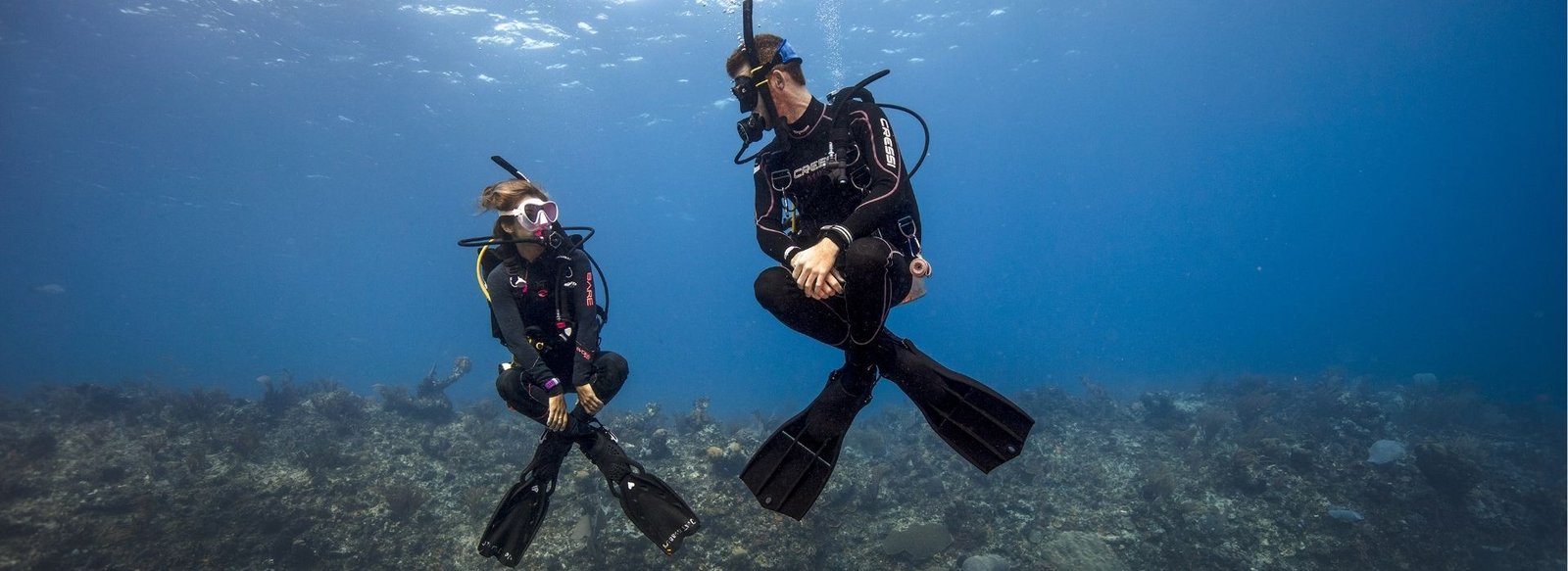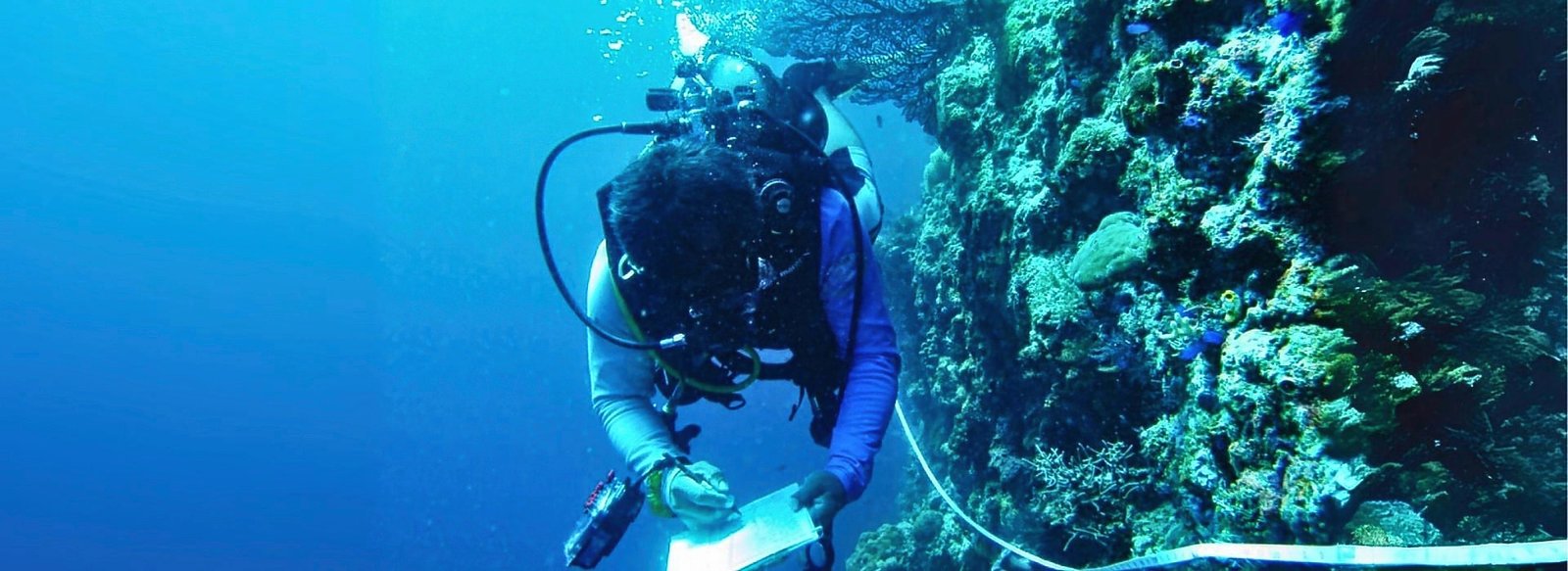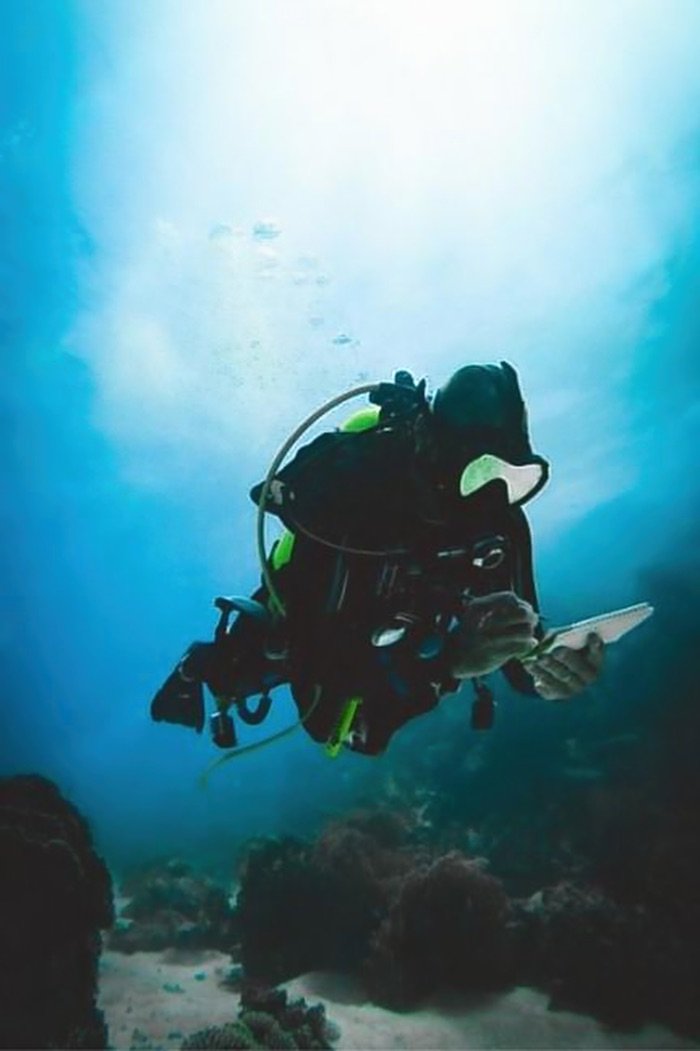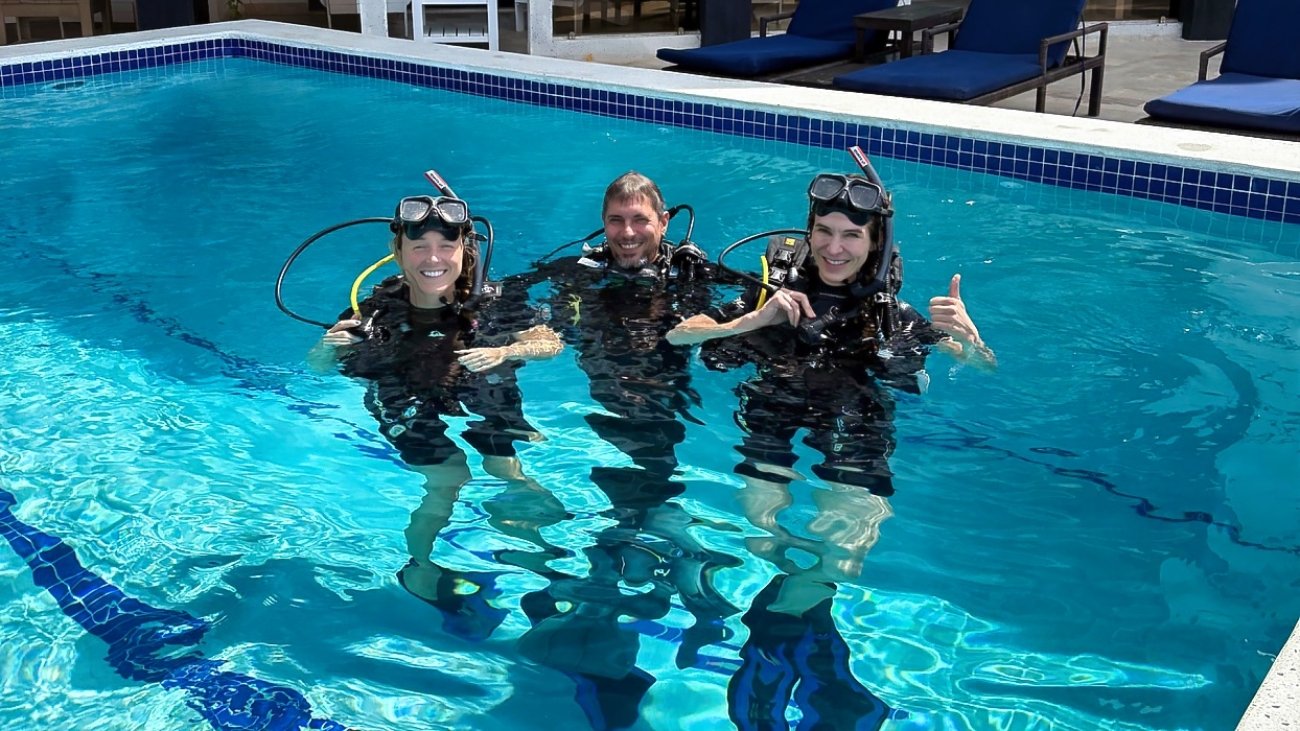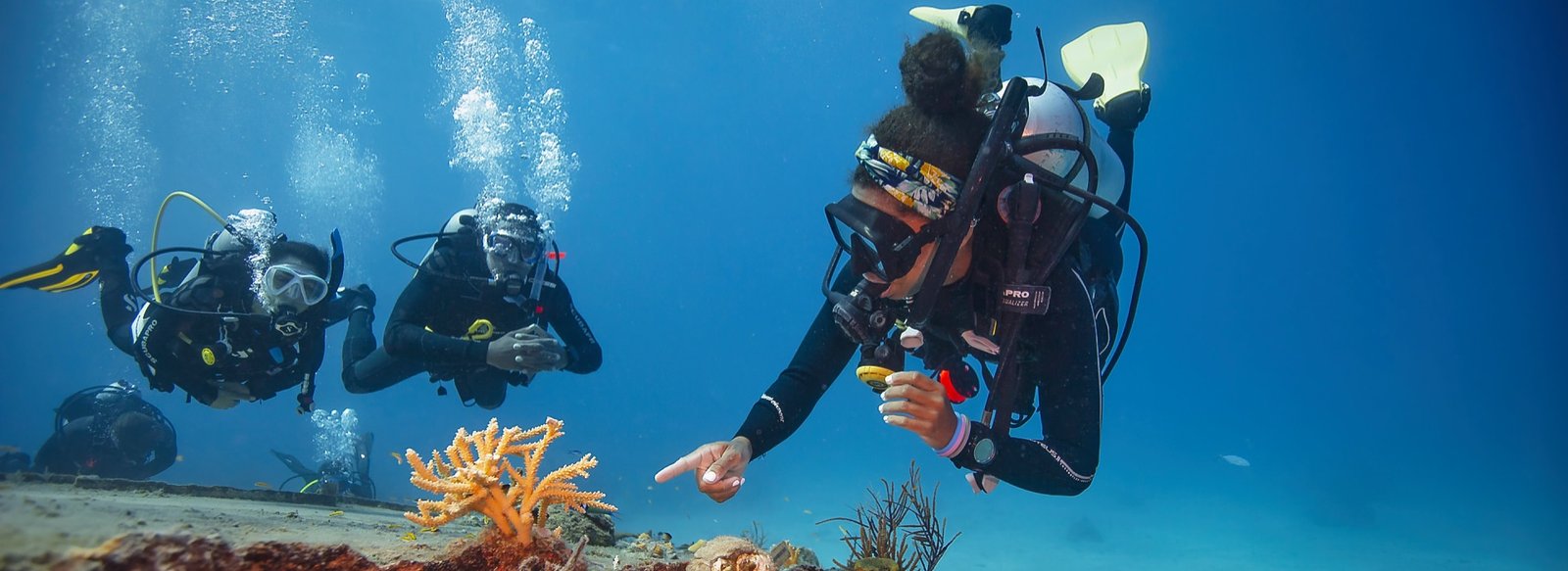
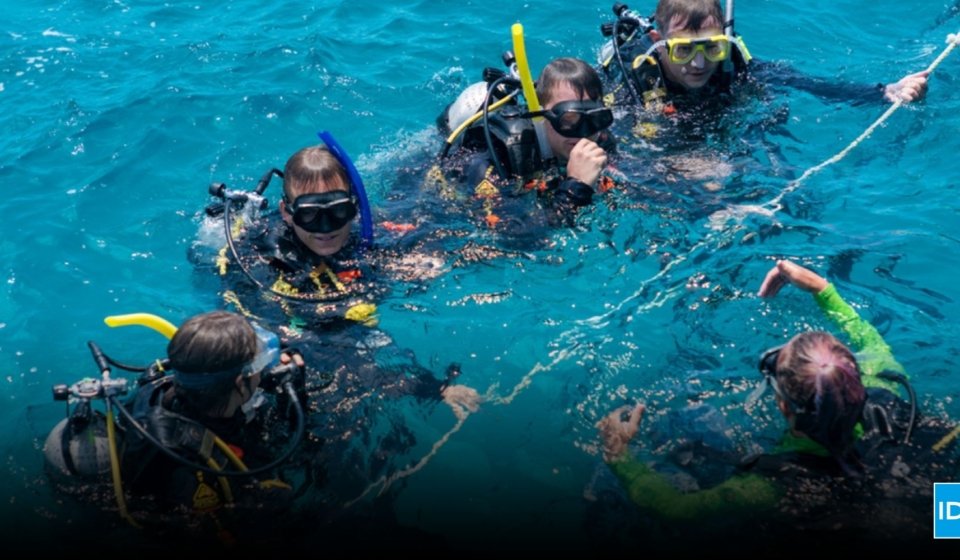

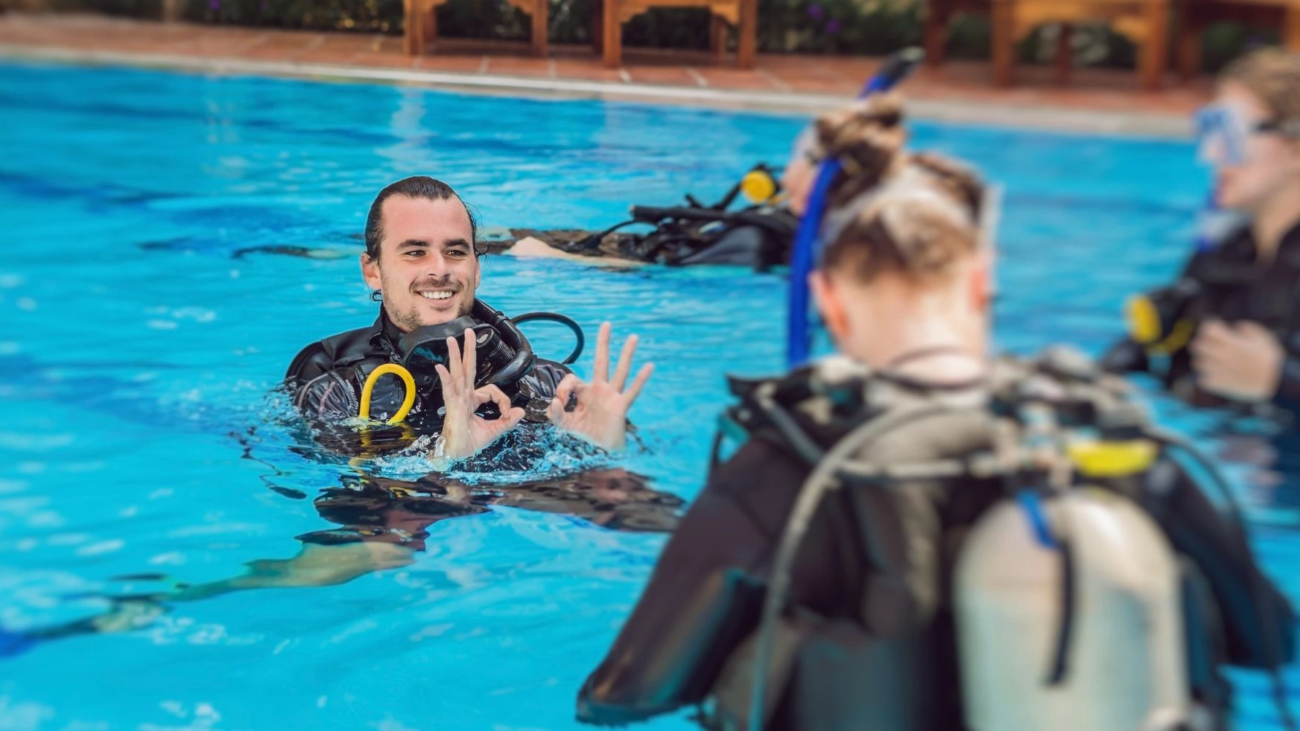
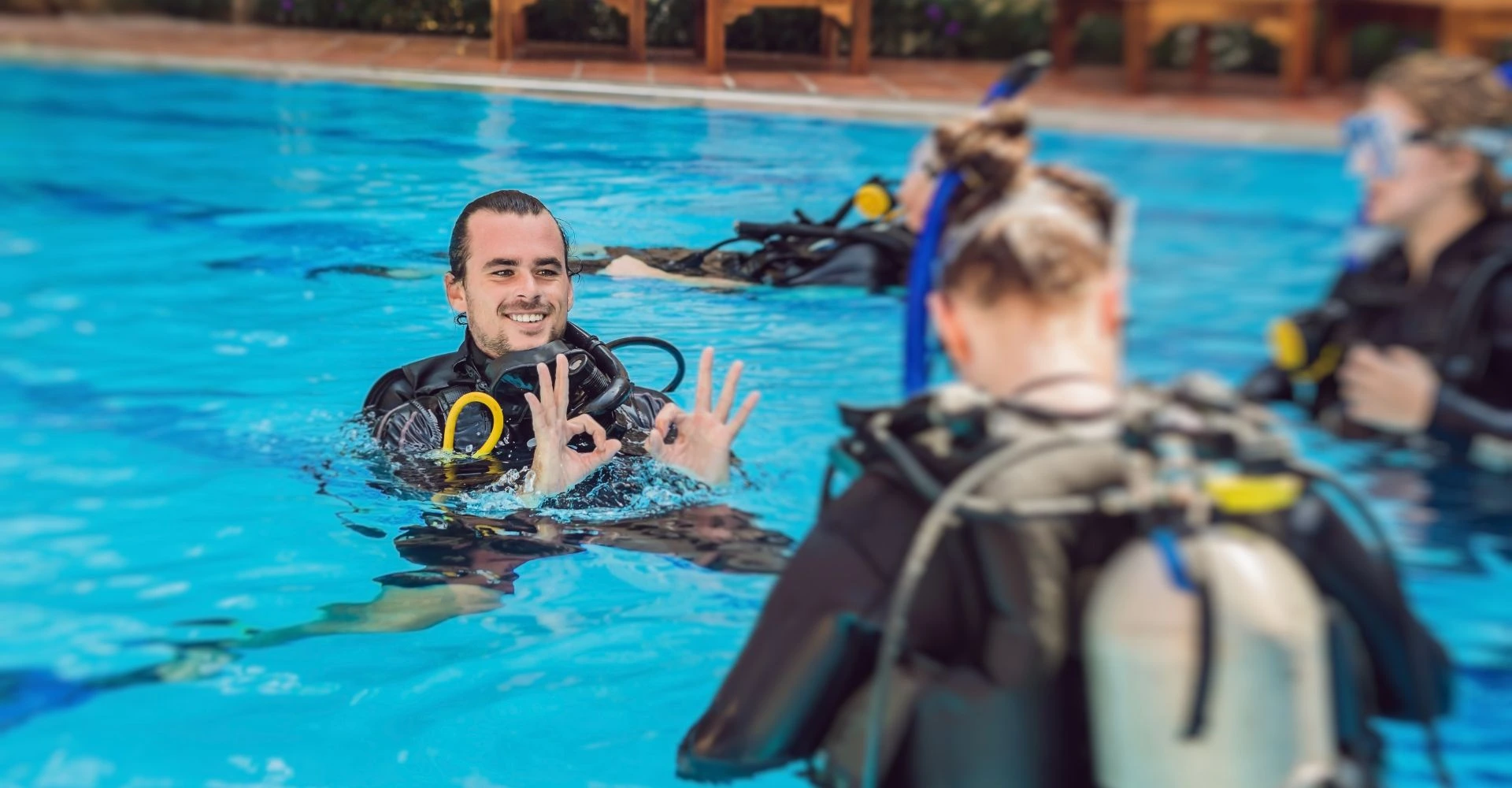
PADI instructor conducting training in a pool, illustrating the benefits of becoming PADI instructor after divemaster.

Benefits of Becoming PADI Instructor After Divemaster: Why You Should Not Wait

PADI instructor conducting training in a pool, illustrating the benefits of becoming PADI instructor after divemaster.

You’ve just wrapped up your Divemaster training, and you might be wondering about the benefits of becoming PADI instructor after divemaster. The skills are fresh, your confidence is high, and the ocean feels like home. Now comes the big question — should you jump straight into the PADI Instructor Development Course (IDC), or should you wait and gain more experience first?

I have seen many divers choose the second option, thinking they need months or even years before taking the next step. The problem? They miss out on opportunities, income, and momentum. In most cases, going for your instructor certification right after your Divemaster course is not only possible, it’s the smartest move you can make.

Let’s talk about why.

What Are the Benefits of Becoming PADI Instructor After Divemaster?

The biggest change is earning potential. As a Divemaster, guiding a dive here at IDC pays about $7. As an instructor, teaching an Open Water Diver course brings in $129. That is a clear upgrade. You can also teach specialty courses, design training packages, and earn commissions that are not available to Divemasters.

When I completed my Instructor Development Course in Brazil back in 2008, I started teaching right away. The course paid for itself much faster than I had imagined.

Can the Benefits of Becoming PADI Instructor After Divemaster Include More Job Opportunities?

Absolutely. Dive shops, resorts, and liveaboards often prefer instructors because they can teach, certify, and guide, creating more revenue for the business. It is not unusual for IDC graduates to land jobs within just a few weeks of certification.

If you want to compare the two career paths in more detail, our Divemaster vs Dive Instructor guide outlines the responsibilities, salaries, and job markets for both.
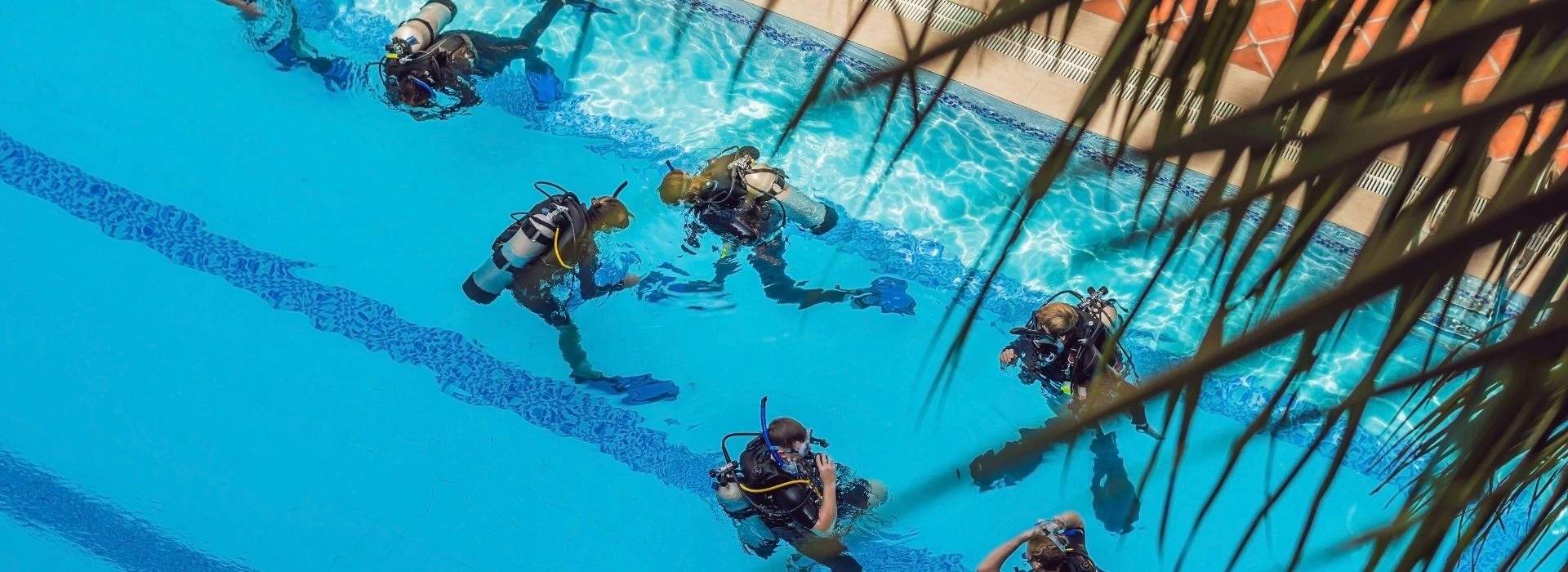
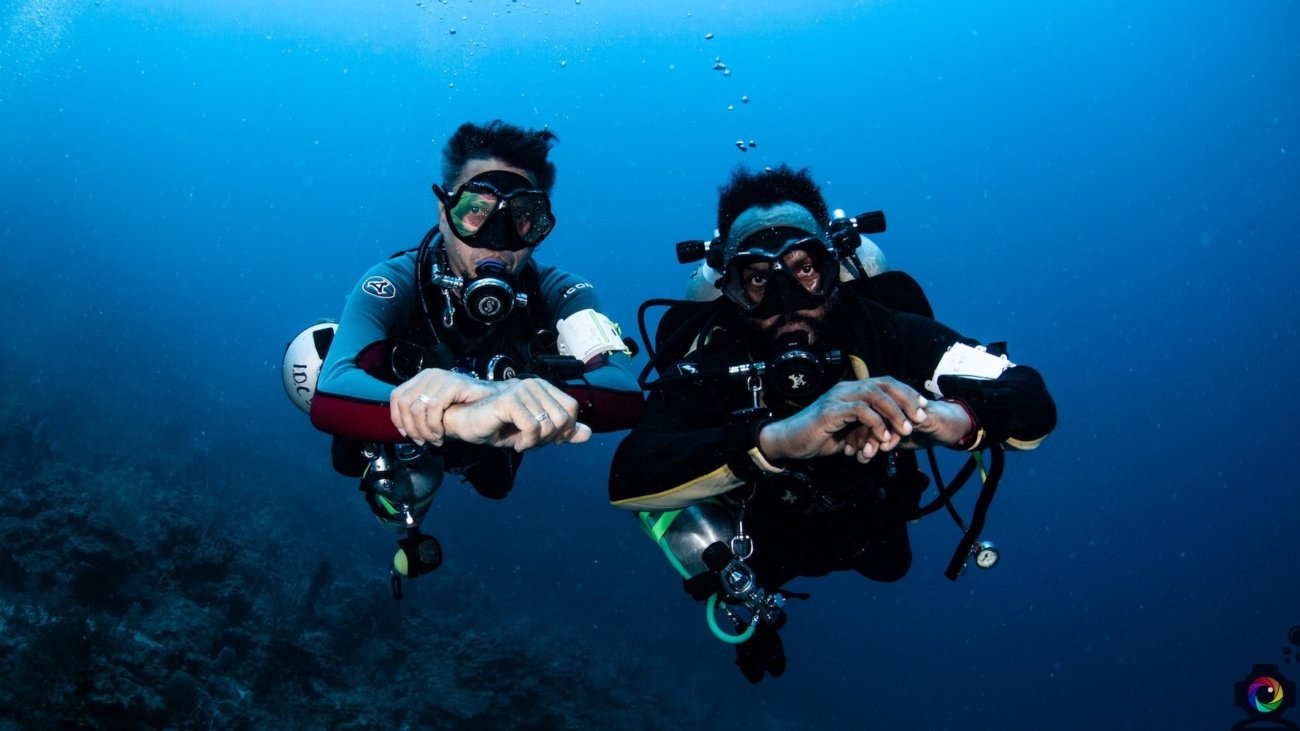
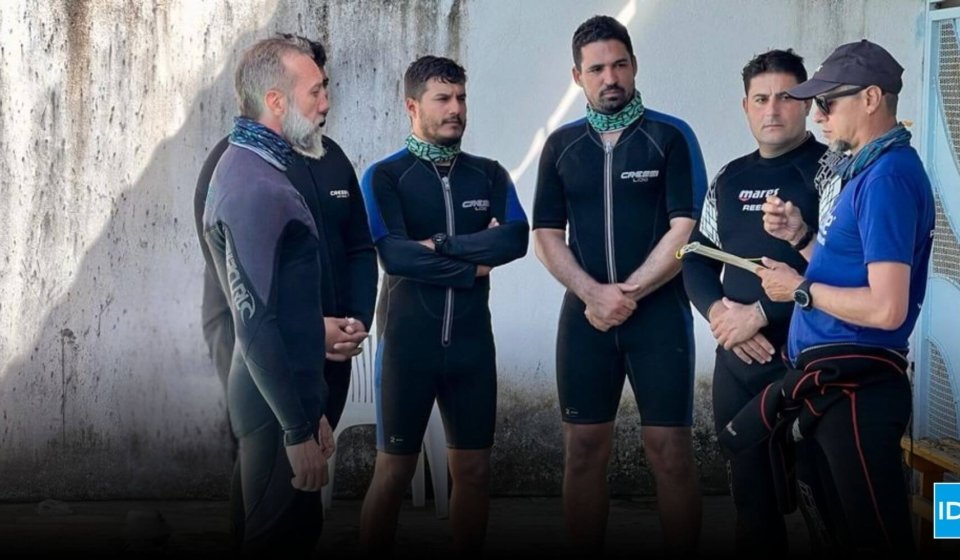
Confined water scuba training session showing the benefits of becoming PADI instructor after divemaster.

Does Taking the IDC Right Away Improve Your Skills?

Yes, and in more ways than you might expect. The IDC is not just about meeting requirements, it is a leadership program. You will develop advanced dive theory, risk management, communication skills, and public speaking confidence.

Even if you feel your Divemaster skills are not “perfect” yet, remember that the IDC builds on what you learned and prepares you to teach. Waiting to feel completely ready often just delays your growth.

Do the Benefits of Becoming PADI Instructor After Divemaster Include Independence?

They do. As an instructor, you can teach everything from Open Water Diver to Divemaster, issue certifications, and run your own courses without needing a supervising instructor. That freedom allows you to work on your own terms, build a loyal student base, and shape your teaching style.

PADI’s own guide on leveling up from Divemaster to Instructor offers great insights into this transition.

Can I Work Anywhere in the World as a PADI Instructor?

You sure can. PADI certification is recognized globally, which means you can work in tropical resorts, remote liveaboards, or even icy cold-water destinations if that is your style.

After my IDC, I had offers from three different countries within weeks. Having that level of mobility and choice is rare in most careers.

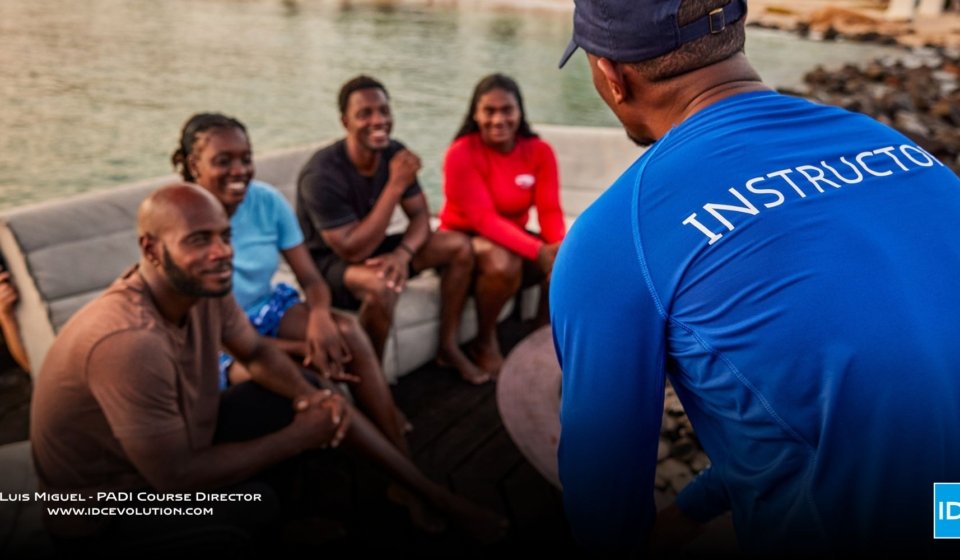
Dive students attending a classroom briefing that highlights the benefits of becoming PADI instructor after divemaster.

Is There a Clear Career Path Beyond Instructor?

Definitely. Once you are certified, you can work toward becoming a Master Scuba Diver Trainer, IDC Staff Instructor, and eventually a Course Director. You can also specialize in technical diving, underwater photography, or other niche areas.

If you want a plan for your next steps, our Instructor Career Consulting service can help you map out a path that fits your goals.

Do You Really Gain More Respect as an Instructor?

Without a doubt. The day you become an instructor, you gain professional credibility. Dive operators trust you with their students, and divers look to you as a leader. This recognition can open doors to networking events, collaborations, and career opportunities you would not have access to otherwise.

Should You Skip the “Experience Gap”?

Many divers think they need to spend months as a Divemaster before starting the IDC. While extra time in the water is always good, waiting often means slower career growth and less income.

Even if you feel your skills could improve, the IDC is designed to build on your Divemaster training and give you all the tools and confidence you need to teach, so you do not have to wait to feel ‘perfect’ before starting.
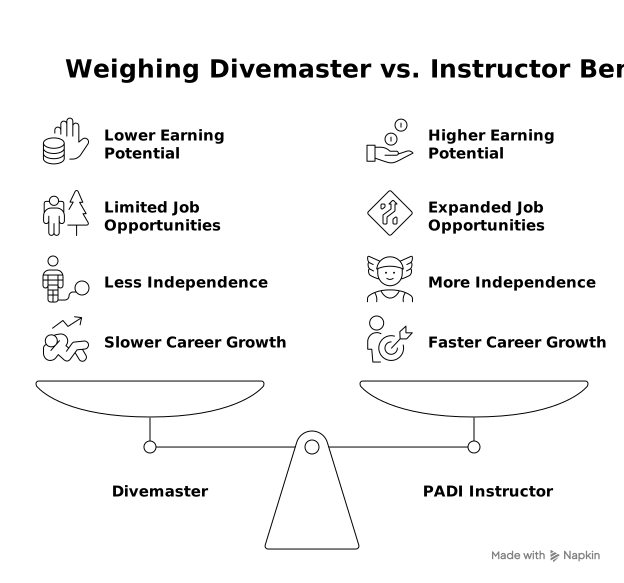
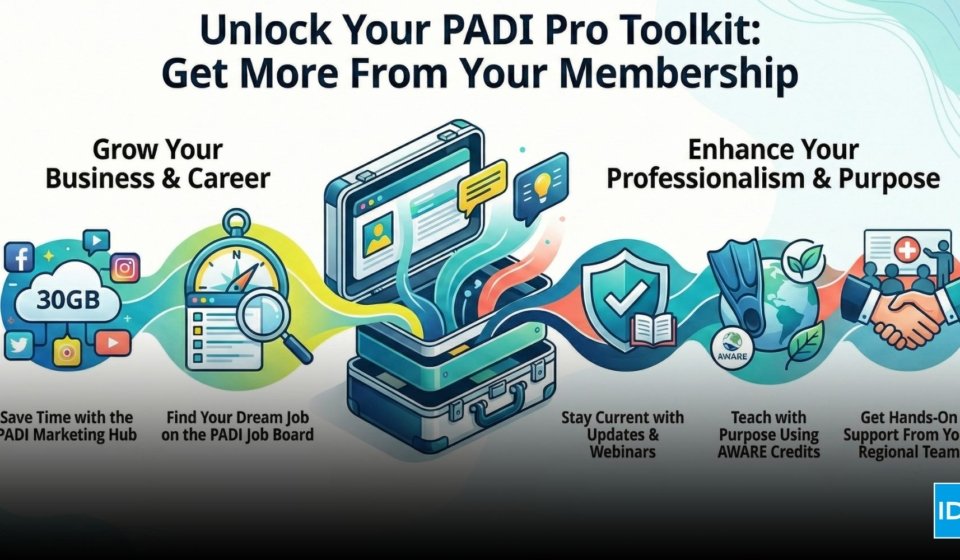
Infographic outlining the benefits of becoming PADI instructor after divemaster, showing career, income, and travel opportunities.

If you have been through this decision yourself or are still debating it, share your thoughts in the comments. What tipped the scale for you, or what’s making you hesitate?
Ready to Take the Leap?

If you want to boost your career, increase your income, and open doors to global opportunities, taking the PADI Instructor Course immediately after your Divemaster training is a smart move. Contact us today and let’s start planning your journey from Divemaster to PADI Instructor.
PADI MSDT instructor teaching a wreck diving specialty course underwater

Why Diving Deeper as a PADI MSDT Instructor Can Transform Your Life and Career

PADI MSDT instructor teaching a wreck diving specialty course underwater

When I first became a dive instructor, I thought the certification would be enough to launch my dream career. But after a few months of applying for jobs and barely standing out, I realized something was missing. I had the passion and skills, but not the competitive edge. That changed when I earned my PADI MSDT certification. Suddenly, I was getting more job offers, earning better income, and finding new excitement in every course I taught.

What Exactly Is a PADI MSDT Instructor?

A PADI Master Scuba Diver Trainer is more than just an instructor with extra specialties. It’s a professional level that proves you’re experienced, dedicated, and capable of teaching a wide variety of courses. To become an MSDT, you need to have at least five PADI Specialty Instructor certifications and a minimum of 25 certified divers under your belt.

This combination shows that you’re not only skilled in advanced areas like Deep Diving, Wreck Diving, or Enriched Air Nitrox, but also experienced in working with real students. It’s a status that earns respect in the industry and opens up doors that entry-level instructor ratings simply don’t.

You can read the full course breakdown in the official PADI Master Scuba Diver Trainer program listing, but let’s look at what this means in real life.

Do MSDT Instructors Get Better Job Opportunities?

A PADI Master Scuba Diver Trainer is more than just an instructor with extra specialties. It’s a professional level that proves you’re experienced, dedicated, and capable of teaching a wide variety of courses. To become an MSDT, you need to have at least five PADI Specialty Instructor certifications and a minimum of 25 certified divers under your belt.

This combination shows that you’re not only skilled in advanced areas like Deep Diving, Wreck Diving, or Enriched Air Nitrox, but also experienced in working with real students. It’s a status that earns respect in the industry and opens up doors that entry-level instructor ratings simply don’t.

If you’re still working toward this level, the first step is completing your PADI Instructor Development Course, where you’ll build the foundation for your teaching career. However, you can talk with your Course Director and choose to complete your five specialty instructor ratings within your IDC itself. This approach can save time, reduce costs, and set you up to qualify as an MSDT as soon as you reach 25 certifications. I’ll explain more about the benefits of bundling specialties into your IDC below.

What Are the Advantages of Doing Your 5 Specialties During the IDC?

If you’re planning your IDC, here’s a smart move that can set you apart right from the start: complete your five specialty instructor ratings within the IDC itself. It’s more common than you think, and the benefits are well worth it.

Here’s why this approach makes sense:

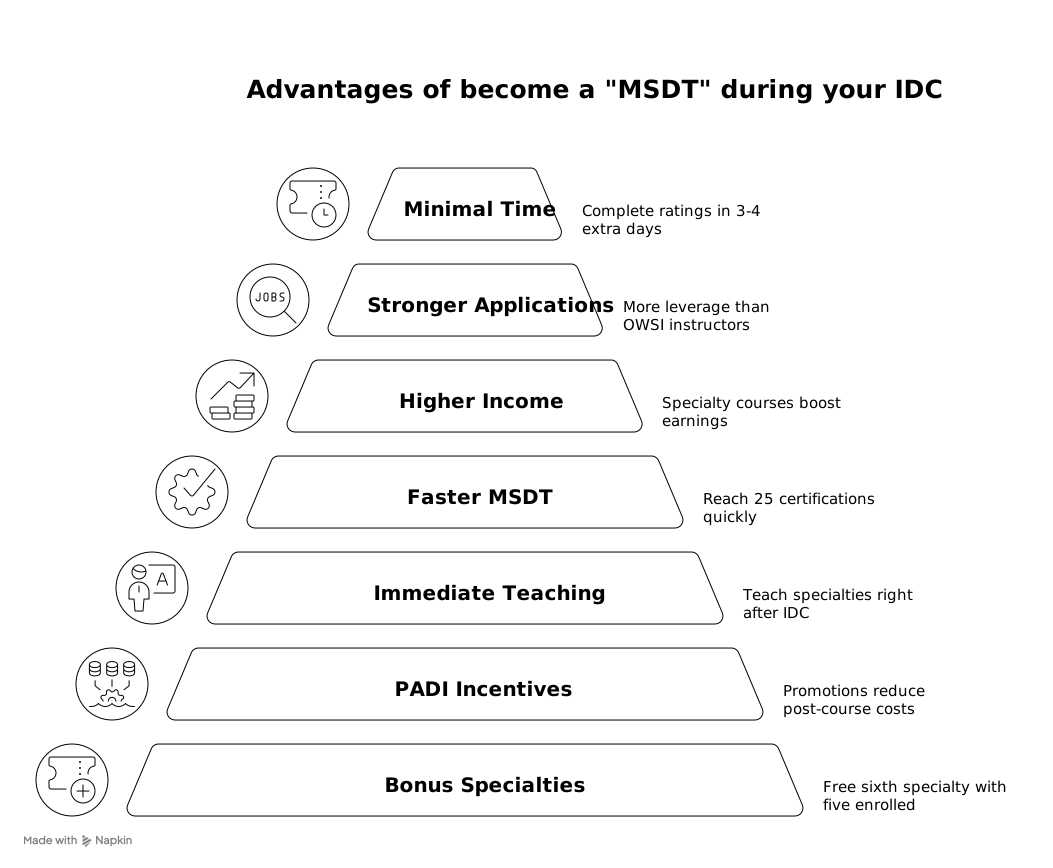
  • Bonus specialties included: Many Course Directors will offer you a sixth specialty for free when you enroll in five specialties during your IDC.
  • PADI incentives: At times, PADI runs promotions such as “5 specialty applications for the price of 4”, which can reduce your post-course costs.
  • Immediate teaching eligibility: As soon as you receive your instructor teaching status, you can start teaching those specialties right away—you don’t need to wait until you officially become an MSDT.
  • Faster path to MSDT certification: Teaching specialties helps you reach 25 student certifications quickly, allowing you to apply for MSDT sooner.
  • Higher income from the beginning: Specialty courses typically have higher value, helping you boost your earnings from your very first teaching contracts.
  • Stronger job applications: Even before earning the MSDT title, having multiple specialty ratings already gives you more leverage than OWSI-level instructors.
  • Minimal time investment: You can usually complete all five specialty instructor ratings in just three or four extra days added to your IDC schedule.

This strategy not only saves time and money, but it also launches your career with momentum. You’ll leave your IDC fully equipped to teach a range of high-demand specialty courses—and that’s a major advantage in today’s diving job market.

Can You Actually Earn More as an MSDT?

Absolutely. Basic instructors are typically limited to beginner courses, which often means smaller course fees and lower commissions. But as an MSDT, you can offer high-value specialty training that generates additional income. Courses like Wreck Diver, Enriched Air Nitrox, and Digital Underwater Photography are incredibly popular and often come with premium pricing.

Many dive centers even offer bonuses or commission structures for instructors who sell specialty training to their students. So, not only are you creating better divers, you’re also creating new revenue streams for yourself. It’s a win-win.

How Does MSDT Improve Your Teaching and Leadership?

The MSDT level isn’t just about what you teach, it’s about how you teach. You’ll gain deeper experience managing students in various environments, whether it’s low-visibility wreck dives or navigating strong currents on deep dives. These situations push your confidence, improve your instructional techniques, and sharpen your decision-making skills underwater.

It also helps you develop better communication strategies, which is essential for handling nervous students or adapting to different learning styles.

If you plan to grow into higher roles like IDC Staff Instructor or eventually PADI Course Director, MSDT is a required step. And if you’re unsure about what path suits you best, my Instructor Career Consulting can help you build a personalized roadmap based on your goals.

Can You Align Teaching With Your Personal Passions?

One of the most rewarding aspects of becoming a Master Scuba Diver Trainer is the ability to choose specialties that excite you. Whether your heart is in marine conservation, wreck diving, or search and recovery, you can align your course offerings with your own interests.

This keeps your work fresh and exciting, helping you avoid burnout. It also makes you a more engaging and authentic instructor, because students can tell when you truly love what you’re teaching.

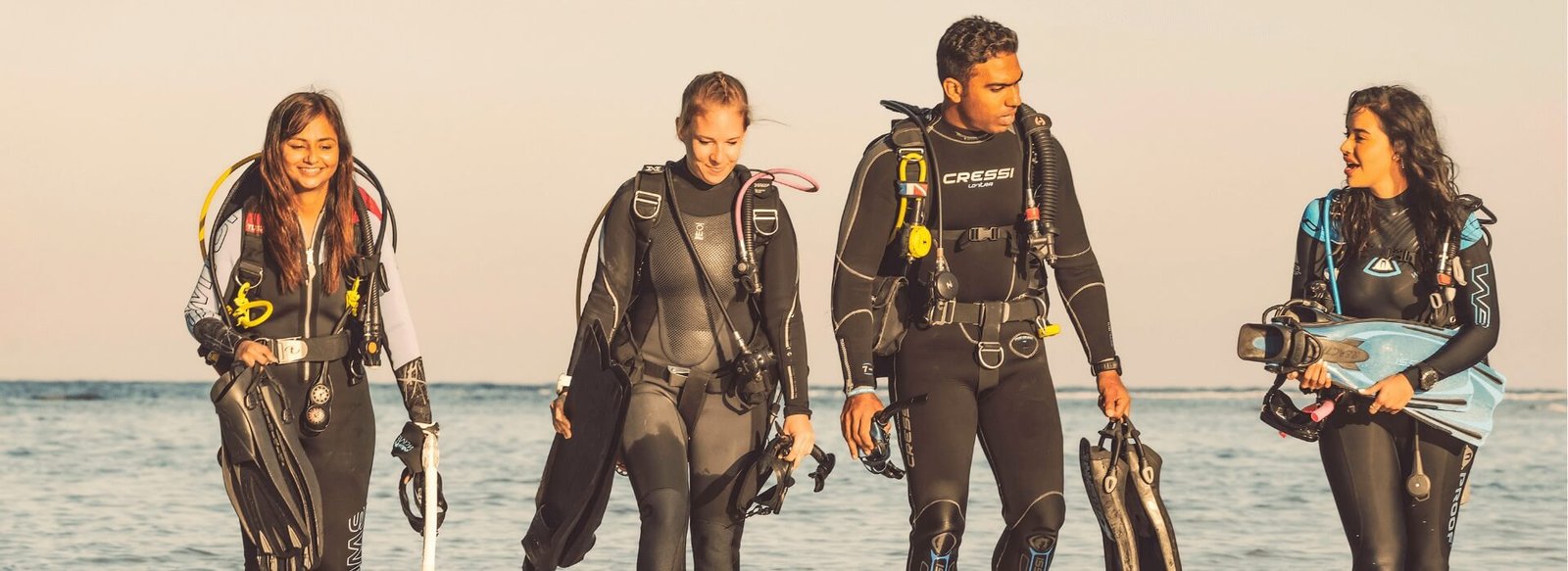
Newly certified PADI MSDT students exiting the ocean after completing specialty dives

What Kind of Edge Does MSDT Give You in the Dive Industry?

The MSDT certification sets you apart. It shows that you’ve taken extra steps to refine your craft and offer more to your students. In the eyes of an employer or student, that distinction matters.

It also makes it easier to build your own dive education business. With the ability to teach multiple specialties, you can guide students from beginner to advanced levels without ever needing to pass them off to another instructor. This creates better continuity for students and a stronger business model for you.

If you’re ready to take that next step, explore our Master Scuba Diver Trainer course and see how we can support you.

Is Becoming an MSDT Instructor Worth It?

In short, yes. It boosts your employment options, increases your income, and enhances your ability to teach with confidence. It helps you stay passionate about diving while building a stable and meaningful career.

Whether you’re aiming to work in top global destinations, specialize in your favorite types of diving, or eventually lead your own instructor training programs, the MSDT certification is your launchpad.

Are you already an MSDT, or thinking about taking that leap? I’d love to hear your story or answer any questions—share your thoughts in the comments section.

Built for Dive Instructors Ready to Stand Out

Ready to Go Further?

If you’re only teaching entry-level courses, you’re leaving money on the table.
MSDT lets you teach specialties, earn more, and stand out.

Book your free call and I’ll show you how to fast-track it.

Luis Miguel PADI Course Director Roatan
Dive Center Operations: Approved monthly sales report showing charts and metrics used in dive center strategic planning and performance review meetings.

Dive Center Operations: Sales Meetings That Drive Real Growth

Dive Center Operations: Approved monthly sales report showing charts and metrics used in dive center strategic planning and performance review meetings.

Why Dive Center Operations Make or Break Your Business

Effective dive center operations are the foundation of a profitable and scalable dive business. Without them, you’re stuck reacting to issues instead of leading your team proactively. Missed follow-ups, poor upselling, and confused staff aren’t personality problems. They are process problems.

That’s why the most successful dive shops don’t just rely on talent. Instead, they build structure.

Why Meetings Are the Core of Operational Success

At the heart of that structure are four recurring meetings that create alignment, accountability and forward momentum. These aren’t time-wasters. When done right, they become your most valuable operational tool.

In this post, I’ll walk you through the daily, weekly, monthly and quarterly meetings we use to drive team performance and boost sales—so you can apply them in your own dive center with immediate results.

What Does Great Dive Center Operations Actually Look Like?

However, strong operations are more than clean gear and full boats. They’re about creating an internal rhythm where every staff member knows their goals, touchpoints and opportunities. At the heart of this rhythm are your meetings.

To begin, let’s start with the smallest but most impactful one.

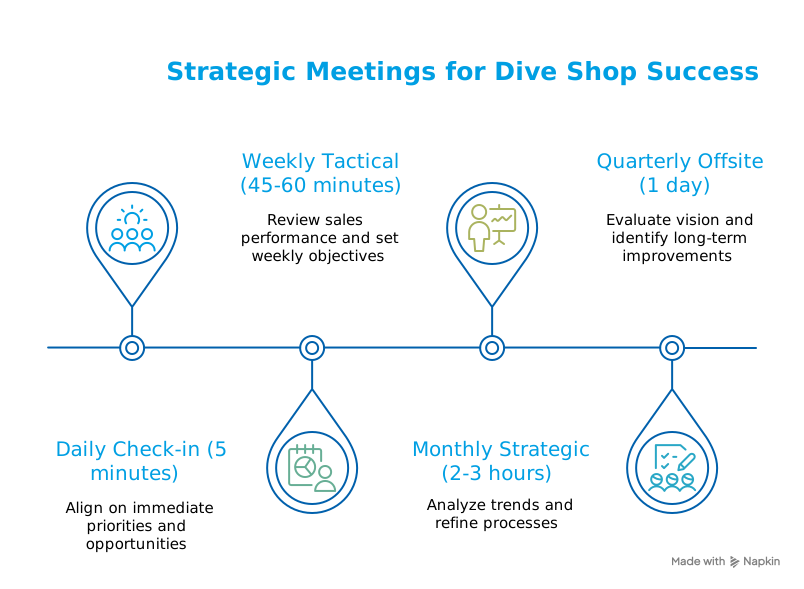
Dive Center Operations: Visual timeline of dive center sales meetings showing the flow from daily check-ins to weekly tactical, monthly strategy, and quarterly offsite sessions, used to improve dive center operations and team alignment.

How Should You Run Daily Dive Center Meetings?

This is your five-minute standing check-in, run before the first boat leaves.

It should include:

  • Who’s diving today and who might walk in for courses
  • Special notes on each guest [example: “Alice hasn’t chosen a specialty yet”]
  • Quick checks on boat, gear or schedule blockers
  • One or two sales goals for the day

We write this out on a whiteboard or digital screen. The entire team can see diver names, bookings, course status and upsell potential.

Even though daily check-ins might sound basic, they’ve made our dive center operations smoother, more profitable and far less reactive.

What Should Weekly Tactical Meetings Focus On?

This 45-minute meeting keeps your team accountable and focused on performance. Use it to:

  • Review booking numbers and referral sources
  • Track conversions from walk-ins, online leads and email inquiries
  • Identify patterns in upsells, certifications or gear rentals
  • Set one weekly improvement target [example: “Follow up on every DSD within 24 hours”]

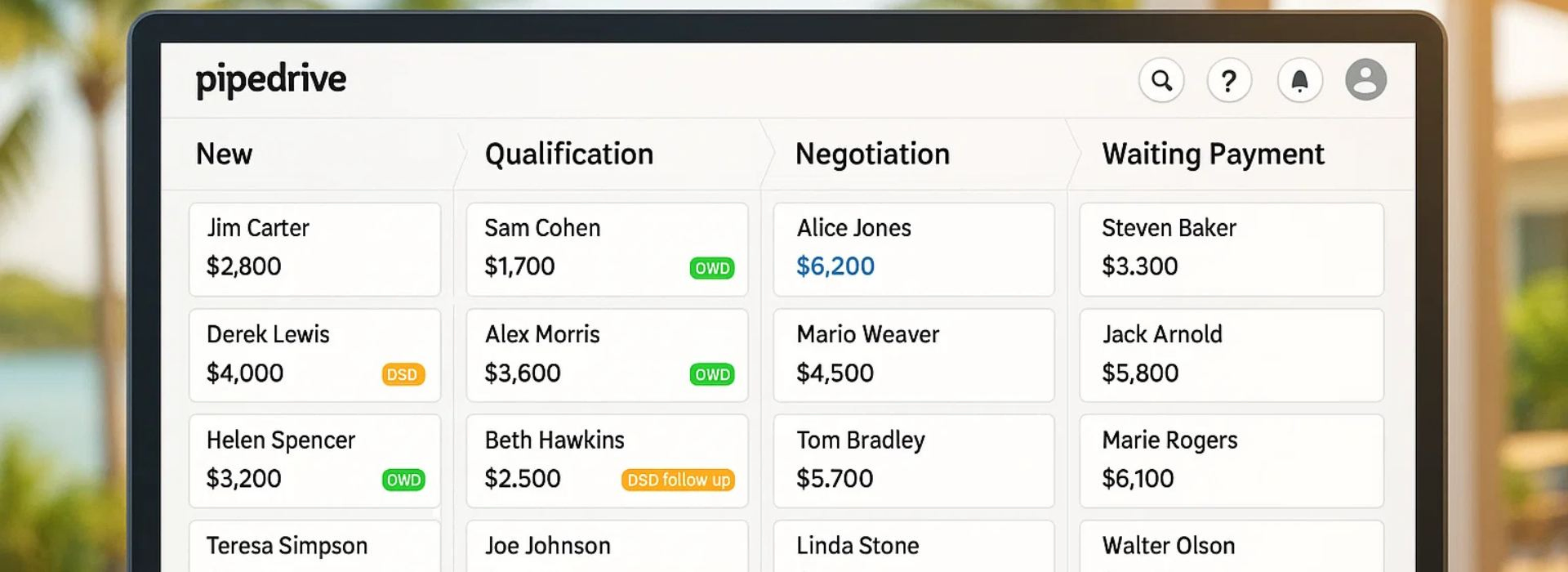
In addition, use your CRM or spreadsheet to bring real data. Then ask, “Where are we dropping the ball?” and “What process needs adjusting?” If you’re not already tracking this, our sales consulting for dive centers can help build a system that fits your team.

Dive Center Operations: CRM pipeline for a dive shop showing deal stages from New to Waiting Payment, used for weekly tactical meetings in dive center operations.

How Does a Monthly Strategy Meeting Impact Dive Center Growth?

This is your zoom-out meeting. Block off 2–3 hours each month to:

  • Analyze diver behavior and top-selling packages
  • Review where leads are coming from—Facebook, walk-ins, or referrals
  • Rework one system that’s underperforming [pricing, follow-ups, or CRM logic]

Instead of solving five problems in one sitting, focus on one that matters. You’re identifying one area where improved dive center operations can unlock significant revenue.

Therefore, if you’re unsure where to start, consider a session with our dive business consulting team to audit your current system and build from there.

Why Hold a Quarterly Offsite With Your Dive Team?

Get out of the shop and look at the big picture. A quarterly offsite is about:

  • Reviewing the last quarter’s revenue, complaints and standout moments
  • Identifying who on your team is ready for more responsibility
  • Planning new campaigns [like referral programs, upsell flows, or package bundles]

Moreover, we ask team members to present their personal KPIs and ideas. It creates buy-in and reveals future leaders. If you’re grooming one of your instructors for management, now’s the time to pair them with instructor career consulting.

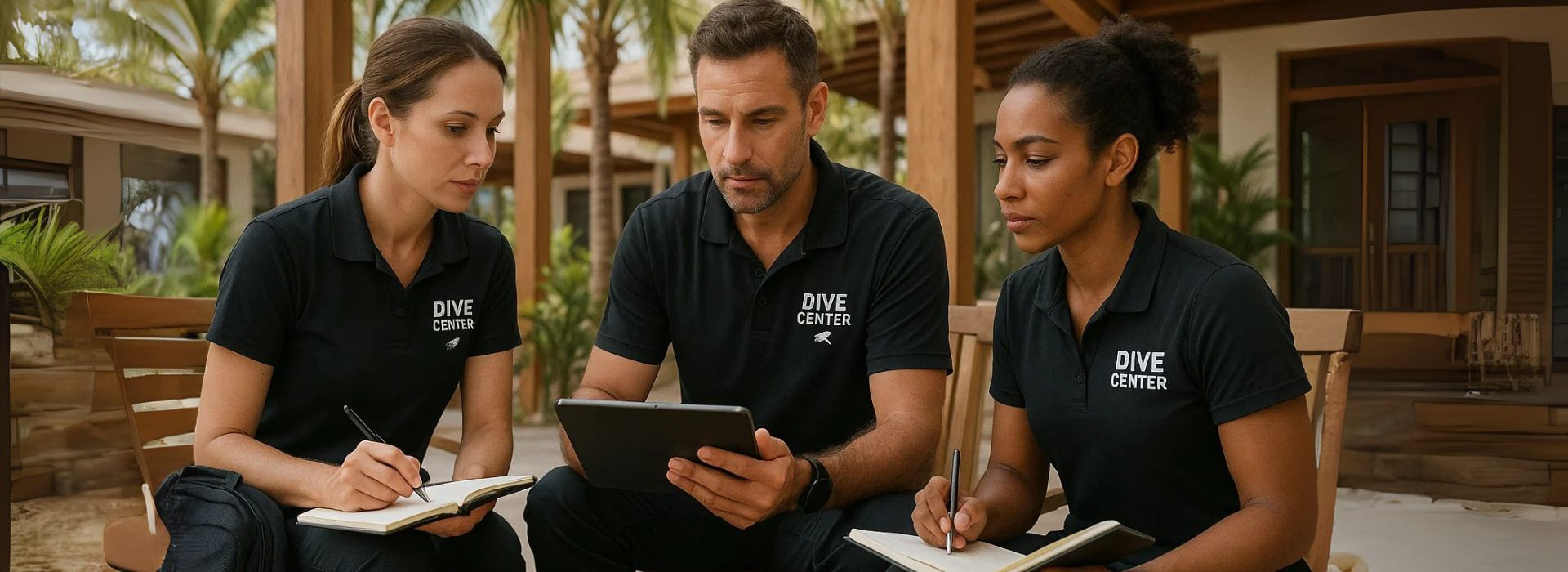
Dive Center Operations: Three dive professionals in branded uniforms reviewing performance data during a quarterly team meeting on a dive center patio.

Improve Dive Center Operations With the Right Rhythm

You don’t need more meetings. You need better ones, with clear intent and measurable results.

  • Daily check-ins help prevent missed opportunities and chaos
  • Weekly tacticals track performance and accountability
  • Monthly strategy meetings allow you to adapt and grow
  • Quarterly offsites foster leadership and long-term thinking

What to Do Next if You Want Better Sales Results

Want to run a tighter ship and sell smarter? Start with your meeting rhythm. Then back it with systems, training and follow-up that actually stick.

Looking for inspiration on how to keep meetings tight and focused? This guide on good meeting practices offers valuable tactics that work across industries—including ours.

How do you currently structure your meetings? Or are you just winging it? Share your experience in the comments—I’d love to hear how your team handles operations.

Built for Dive Shop Owners

Stop Losing Sales. Start Leading Smarter.

If your team isn’t converting, following up or upselling consistently, you’re leaving money on the table.

Book your free call and I’ll show you exactly how to fix it.

Luis Miguel PADI Course Director Roatan
dive shop management operations in action

Dive Shop Management Tools: From Chaos to Clarity in 4 Steps

dive shop management operations in action

Ever feel like dive shop management is more firefighting than fun? I’ve been there—juggling inquiries, gear rentals, course schedules, and a to-do list that never ends. At one point, I realized I was spending more time reacting than actually managing. That’s when I started searching for the right tools to bring order, focus, and scalability to my operations.

If you’re stuck in survival mode, this guide is for you. These are the four tools that helped me move from chaos to clarity, and they can do the same for your dive shop.

Pipedrive CRM

What’s the best way to manage divers and bookings?

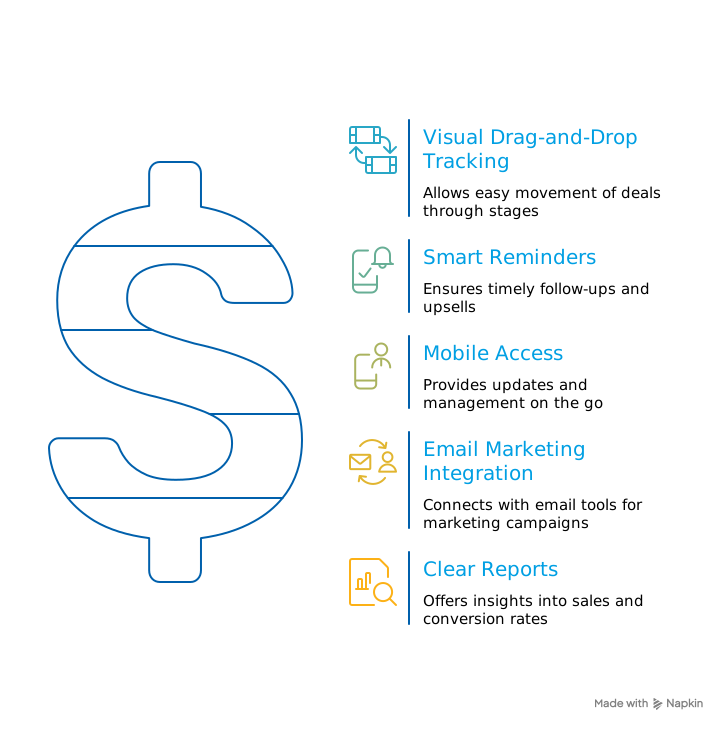
Pipedrive gives me the visibility I need to stay in control of my dive shop management workflow. Whether it’s a follow-up email or a final invoice, I’ve automated everything so no opportunity slips through.Why it’s ideal for dive shop operations:
  • Visual drag-and-drop tracking from inquiry to close
  • Smart reminders for follow-ups and upsells
  • Mobile access for updates on the go
  • Integration with email marketing tools
  • Clear reports on sales and conversion rates
If you’re serious about customer experience, start with Pipedrive. You can also learn more in our Sales Consulting for Dive Centers.
QuickBooks Software

How can you simplify your dive shop finances?

Let’s be real, managing money is the least exciting part of running a dive business, but it’s also the most important. I use QuickBooks to keep a handle on every cent coming in and out, whether it’s course revenue, retail gear sales, or instructor payroll.

QuickBooks lets me automate tedious tasks and get accurate, real-time insights into how my dive center is performing. During high season, having this financial clarity is a huge advantage.

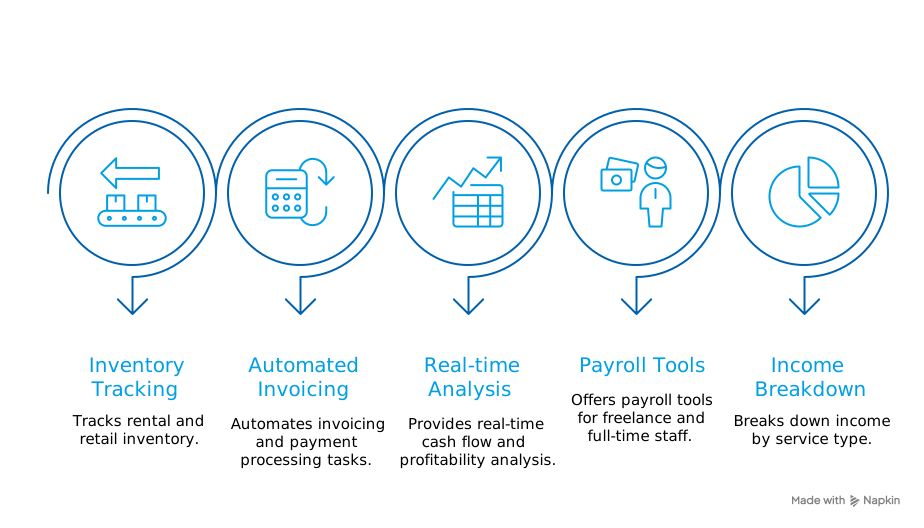
Here’s how it supports dive center profitability:

  • Inventory tracking for both rentals and retail
  • Automated invoicing and payment processing
  • Real-time cash flow and profitability analysis
  • Payroll tools for freelance and full-time staff
  • Income breakdown by service type

If you’re ready to take the stress out of dive shop accounting, check out QuickBooks.

QuickBooks dashboard graphic showing financial tracking and inventory control for dive shop management
Perplexity AI

How do you keep up with diving trends and competitor moves?

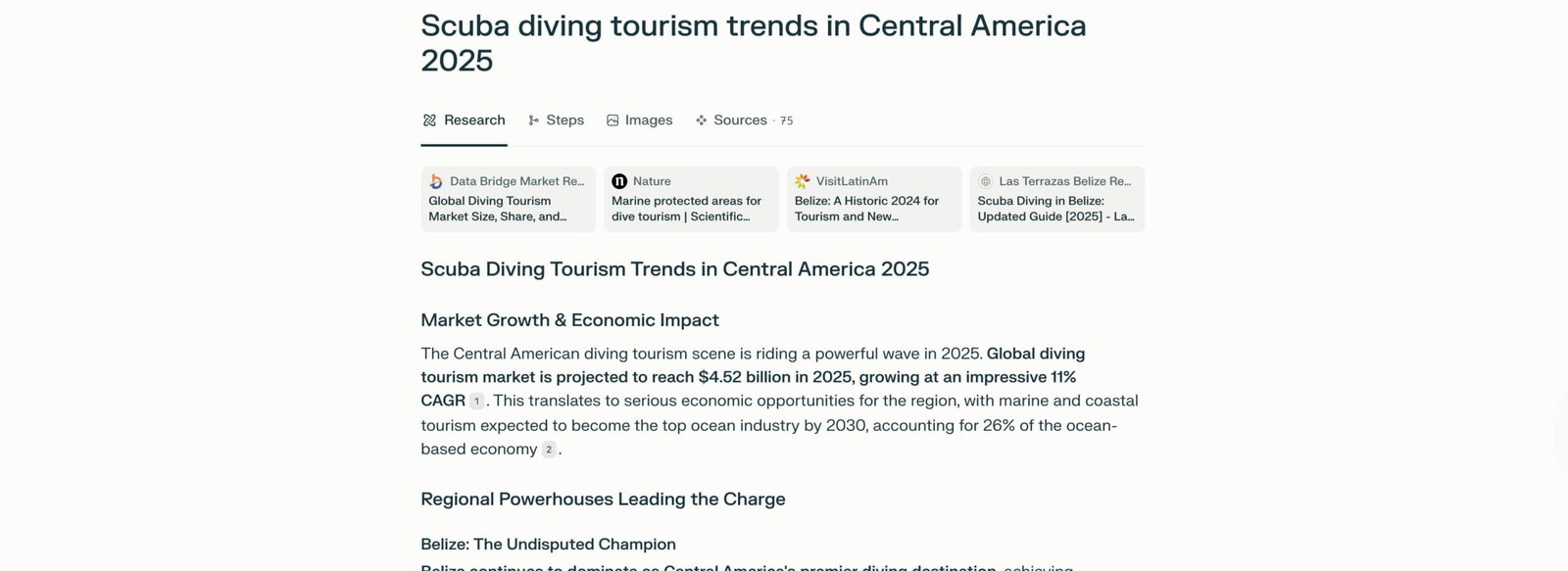
Information overload is real, but Perplexity AI helps me cut through the noise. It’s like having a research assistant that delivers exactly what I need—fast. I use it for everything from checking tourism trends to monitoring gear recalls and analyzing what other dive shops are offering.

Perplexity’s Deep Research mode pulls from hundreds of sources, giving me comprehensive insights without hours of Googling.

Here’s how it gives my dive business a strategic edge:

  • Market and competitor research
  • Seasonal tourism trend tracking
  • Equipment recall and safety monitoring
  • Supplier research for gear and logistics
  • Regulatory and training updates

For example, one of my recent searches on scuba diving tourism trends in Central America 2025 gave me an instant overview of traveler volume forecasts, trending destinations, regional airline routes, and even competitor offerings. I used those insights to fine-tune my trip schedule and promote custom dive packages during peak weeks.

👉 Click here to view the complete Perplexity report on scuba diving tourism trends in Central America 2025

You can also explore how to use Perplexity more strategically in our Digital Marketing Consulting for Dive Centers.

Perplexity AI providing diving industry trends for dive shop management
Setapp

What app ecosystem helps dive shop owners using Mac?

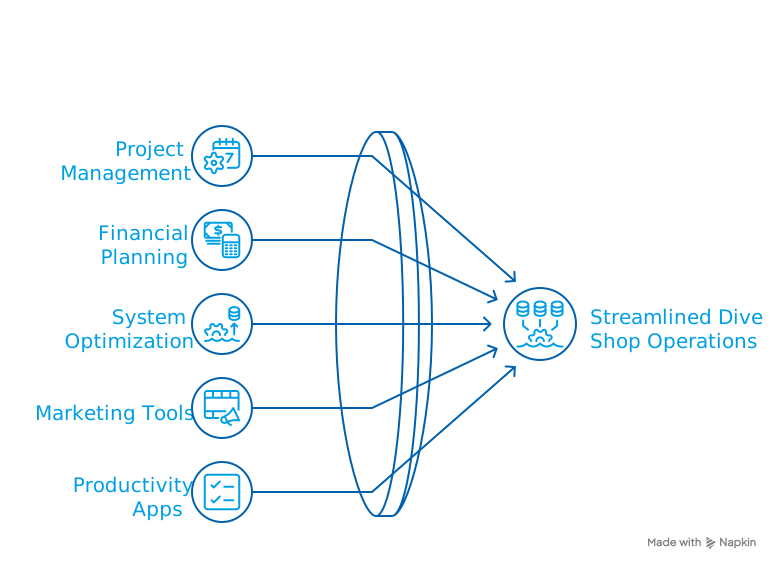
Running a Mac-based dive shop? Setapp is like unlocking a full toolbox of over 260 premium Mac apps with one affordable subscription. From planning dive courses to managing finances and optimizing your system’s performance, it brings everything together in one streamlined platform.

What I love about Setapp is that I don’t have to manage multiple subscriptions or worry about outdated software. Every app is ad-free, always updated, and curated for productivity and business performance.

Here’s how I use Setapp in my daily operations:

  • Project management for dive course schedules and trips
  • Financial planning and reporting apps
  • System optimization for keeping my Mac fast and reliable
  • Marketing tools for content creation and planning
  • Productivity apps to stay organized and efficient

Setapp is a total game-changer for Mac users in the diving industry. Explore the full app ecosystem here: Setapp.

How can these tools bring clarity to your dive shop?

I’ve been through the messy spreadsheets, missed follow-ups, and inventory headaches. Whether you’re just getting started or scaling up, these tools are essential for modern dive shop management success.

So, what are you using right now? Are any of these tools already part of your dive shop ecosystem? I’d love to hear your wins and challenges in the comments below.

If you’re feeling stretched thin, don’t try to fix everything at once. Just start with one tool from this list. That one move can begin your shift from reactive to strategic, from burnout to balance, from chaos to clarity.

Consult with a Dive Business Expert

Ready to Grow Your Dive Center?

Schedule a free call and get personalized advice to improve sales, streamline operations, and scale smarter.

Luis Miguel PADI Course Director Roatan
Diving Instructor Careers: Why LinkedIn Is Vital

Beneath the Surface: Why a Strong LinkedIn Presence Is Vital for Diving Instructors and Their Careers

Diving Instructor Careers: Why LinkedIn Is Vital

What’s the Role of LinkedIn in Diving Instructor Careers?

In the competitive world of diving instructor careers, LinkedIn is no longer optional—it’s essential. Whether you’re aiming for your first job or shifting into freelance work, LinkedIn helps you get discovered, build credibility, and connect with the right people. With more than 95% of recruiters using the platform, it’s your most powerful tool for career growth in the diving industry.

How Does LinkedIn Help You Stand Out in a Saturated Market?

Let’s face it: the diving job market is saturated. New instructors are certified every day, and many are willing to work for low pay just to get experience. This makes it harder for qualified pros to find meaningful roles.

That’s where LinkedIn makes a real difference. By building a profile that highlights your certifications, specialties, and teaching style, you create a professional brand that helps you rise above the noise. Whether you’re a technical diving instructor or an expert in underwater photography, your profile should reflect the value you bring.

If you’re not sure where to start, our Instructor Career Consulting helps you map out the next phase of your professional diving journey.

How Can Your LinkedIn Profile Attract Better Opportunities?

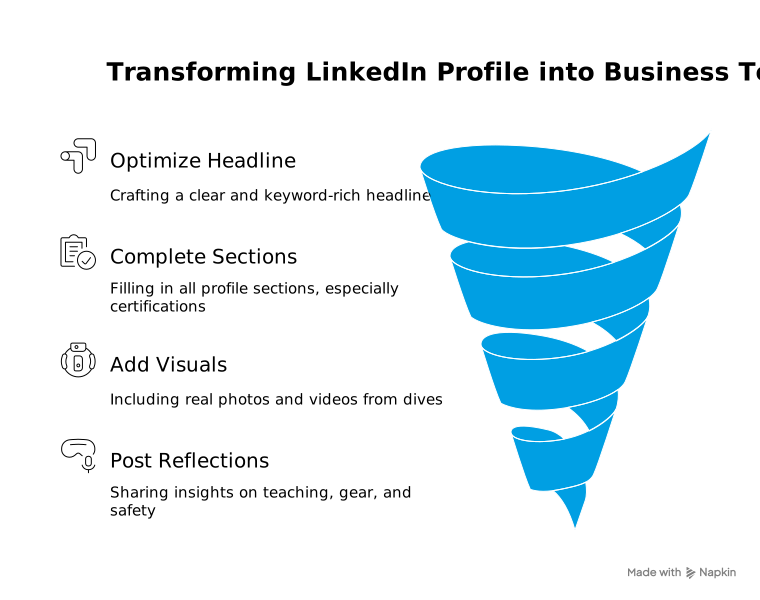
Transforming LinkedIn Profile into Business Tool

It starts with thinking of your profile as more than just a resume. It’s your personal storefront, visible 24/7 to employers, students, and dive shop owners around the world.

Here’s how you can use it to your advantage:

  • Use a clear, keyword-rich headline
  • Fill in every section—especially certifications and experience
  • Include real photos and videos from your dives
  • Post reflections on teaching, gear, or dive safety

This kind of profile doesn’t just look impressive—it works. It helps you connect with clients, collaborators, and hiring managers. And if you’re running your own operation, LinkedIn supports business development too.

Looking to convert connections into paying customers? Take our Sales for PADI Pros course to learn how.

What Makes Networking So Important in Diving Careers?

In diving, most opportunities come through connections. Whether it’s a job offer, collaboration, or referral, who you know matters.

LinkedIn makes it easy to:

  • Build your network with other dive pros
  • Follow dive centers, liveaboards, and certifying agencies
  • Join niche groups and engage in relevant conversations

Additionally, research from Indeed shows that consistent networking increases job satisfaction and success across all industries—including diving.

Need help building your online presence? Our Digital Marketing Consulting for Dive Centers can help you create a strategy that connects and converts.

How Do You Boost Visibility for Diving Instructor Careers?

If no one sees your profile, it can’t help you. That’s why visibility matters.

LinkedIn ranks your profile based on keyword usage, completeness, and activity. For example, if someone searches for scuba instructor jobs or diving instructor certification, having those terms in your profile increases your chances of being found.

Here’s what to focus on:

  • Use keywords like diving instructor careers throughout your summary and experience
  • Post updates consistently to stay top of mind
  • Add recommendations and endorsements for credibility

With time, this improves your chances of attracting international job offers and freelance clients alike.

How Can You Keep Learning and Growing Through LinkedIn?

The diving industry is always evolving. Whether it’s new safety standards, teaching techniques, or conservation trends, staying informed is key.

LinkedIn offers real-time access to:

  • Webinars and articles from top agencies

  • Discussions in pro-level groups

  • Professional development resources

By engaging regularly, you continue to grow, adapt, and show that you’re serious about long-term success in diving instructor careers.

Ready to Build the Career You Deserve?

LinkedIn gives diving instructors a way to rise above a crowded market, build a global reputation, and attract the right opportunities. Whether you’re looking for your next job, launching a new course, or leveling up your brand, this is the platform where serious professionals get noticed.

Your diving career isn’t just underwater. It’s online too.

Train with the best!

Want More Dive Opportunities?

Let LinkedIn work for your career. I’ll help you build a profile that attracts the right jobs and clients—worldwide.

Luis Miguel PADI Course Director Roatan
dive site mapping

Dive Site Mapping on the PADI Divemaster Course: Tips for Success

What Is Dive Site Mapping in the PADI Divemaster Course?

The dive site mapping project is one of the most practical and rewarding parts of the PADI Divemaster course. It goes beyond drawing a simple map — it’s about thinking like a pro, planning dives with precision, and improving your underwater navigation skills. You’ll learn how to organize information, guide others safely, and gain a real understanding of your dive environment

dive site mapping

Why Is Dive Site Mapping Important During Divemaster Training?

In the divemaster training program, this project helps you put everything you’ve learned into action. You’ll practice underwater compass navigation, measure distances accurately, and create a map that others can rely on for dive briefings and planning. It’s not just about passing the course — it’s about developing skills you’ll use throughout your diving career.

Students undertaking the PADI Divemaster Course in Roatan must create a reliable representation of the dive site using measurements, bearings, and depth profiles. It’s a practical showcase of everything you’ve learned.

What Gear Do You Need for Dive Site Mapping?

To complete the dive site mapping project, you’ll need a few essential tools:

  • A 30-meter measuring tape or reel
  • A compass (plus a backup, just in case)
  • A dive slate with a grid and a waterproof pencil
  • A surface marker buoy (SMB) and a secure reference buoy
  • Waterproof data sheets for recording details
  • A dive computer and depth gauge
  • An underwater camera to document landmarks visually

These tools help you gather reliable data, which makes your final map more useful.

dive site mapping equipment checklist

How Do You Start Mapping a Dive Site?

Step 1: Pick the Right Dive Site

Choose a site you’re familiar with — this makes it easier to focus on mapping. During your first dive, take a look around. Spot major underwater landmarks, look out for hazards, and start thinking about your map layout.

Step 2: Set Up a Reference Point

Now, drop a buoy to create a central reference point. All your distance and direction measurements will start from here. This point becomes your map’s anchor, so place it where you’ll have good visibility and access.

Step 3: Collect Data Like a Pro

Use a U-search pattern to scan the site in a structured way. Measure distances using your kick cycle — swim 10 meters and count your kicks to get your average. This method works even when visibility is poor.

As you go:
  • Record compass bearings for major features
  • Note depth every 5 meters (16 feet)
  • Sketch what you see on your slate while you dive
Need help with compass skills? Check out this great guide from PADI on how to use a compass underwater.

Step 4: Map Features and Identify Hazards

Your final map should highlight:

  • Natural formations like corals, rock pinnacles, and sand patches
  • Entry/exit points, safety stops, and emergency areas
  • Potential hazards such as strong currents or sharp rocks
Your goal is to make a map that another diver could use without needing a tour.

Can Technology Help You Map a Dive Site Better?

Absolutely. While your slate and compass are key, digital tools can make your final product even better:

  • Mark GPS coordinates for surface reference
  • Take photos with your underwater camera for visual records
  • Use mapping software to refine your sketches
  • Overlay surface maps with Google Maps to check scale and orientation
Want to level up your photo and mapping skills? Take a look at our Digital Underwater Photography Instructor course.

What Should Your Final Dive Site Map Include?

Navigation Essentials

  • A compass rose (marking true north)
  • A scale bar and grid for measuring distances
  • Clear labels for major features

Planning Tools for Safe Diving

  • Depth contours and profiles
  • Entry/exit points, current directions, and known hazards
  • Emergency stops and ascent points

Dive Site Details That Matter

  • Key landmarks to help orient divers
  • Marine life habitats to highlight special areas
  • Seasonal notes or unique environmental features

Before finalizing, review your draft with experienced divers and make adjustments if needed.

What If You Run Into Problems While Mapping?

Navigation Troubles?

If visibility is poor or currents are strong:

  • Use multiple cross-bearings to confirm your location
  • Practice compass work in different conditions

Trouble Measuring Distances?

You’re not alone. Many divers struggle with this at first:

  • Always calibrate your kick cycle before the dive
  • Use a tape for critical measurements when possible

If you want to sharpen your accuracy even further, check out the
Search & Recovery Instructor course.

underwater cartography

Why Is Dive Site Mapping So Valuable for Dive Pros?

Completing this project builds valuable skills like:

  • Creating accurate underwater maps and dive site plans
  • Improving risk assessment and safety planning
  • Communicating clearly with groups using visual tools
  • Enhancing your environmental awareness
As a divemaster, these skills help you lead confidently, give better briefings, and keep your groups safer — especially in unfamiliar or complex dive sites.

Ready to Master Dive Site Mapping?

The dive site mapping project is more than a course requirement — it’s your opportunity to prove your skills and stand out as a professional. With practice, patience, and the right techniques, you’ll create maps that not only guide but inspire confidence.

Want to become the divemaster others rely on? Start by enrolling in our Divemaster Course in Roatan. Let’s build your future in diving — one map at a time.

Train with the best

Ready to Master Dive Site Mapping?

Not sure if the PADI Divemaster course is right for you? Wondering how dive site mapping fits into your career as a dive pro?

Book a free career call with me and let’s chat. 

✅ Ask your questions
✅ Get personalized advice
✅ Plan your next step with confidence

Luis Miguel PADI Course Director Roatan
Divemaster vs Dive Instructor: Which Path Is Right for You?

Divemaster vs Dive Instructor: Which Path Is Right for You?

Are you wondering about the difference between a Divemaster vs Dive Instructor? This is one of the most common questions for people considering professional scuba diving careers. Understanding the distinction between these two PADI certification levels is essential for anyone looking to advance in the diving industry.

Divemaster vs Dive Instructor: Which Path Is Right for You?

What’s the Core Difference Between a Divemaster and a Dive Instructor?

The biggest difference lies in what you’re trained and certified to do. A Divemaster is a dive leader. You’ll be guiding certified divers, managing logistics, conducting dive briefings, and ensuring group safety underwater. Your role revolves around leadership and operations, not teaching.

A Dive Instructor, on the other hand, is a teacher. Instructors can certify new divers, conduct full PADI courses (from Open Water to Divemaster), and mentor future professionals. If you’re passionate about education and want to help others fall in love with diving, this path might be for you.

How Do You Become a Divemaster?

To start your professional journey, the PADI Divemaster certification is your first step. You’ll need:

  • Be at least 18 years old
  • Hold Open Water, Advanced Open Water, and Rescue Diver certifications
  • Have 40 logged dives before training and 60 before certification
  • Current CPR and First Aid certification
  • Medical clearance from a physician

Training typically takes 4–6 weeks, and the course costs between $1,000 and $1,500. If you’re researching the PADI dive master certification timeline, this should give you a realistic idea of what to expect.

How Do You Become a Dive Instructor?

To become an instructor, you must first be a certified Divemaster. Then you’ll complete the PADI Instructor Development Course (IDC), which lasts 10–14 days. You’ll also need:
  • 100+ logged dives for the final examination
  • Current CPR and First Aid certification
  • Emergency First Response (EFR) Instructor rating
  • Pass the PADI Instructor Examination (IE)
Instructor training is a bigger investment. Expect to pay between $3,000 and $4,000. Still, if you’re searching for dive instructor training cost 2025, know that this is money well spent for a global teaching license and access to long-term scuba careers.You’ll find a wealth of firsthand advice from professionals who’ve walked this path on the PADI Blog, a trusted source many divers turn to when deciding between leadership and teaching in the scuba industry. It’s an excellent reference if you’re still evaluating which route—Divemaster vs Dive Instructor—is better aligned with your goals and lifestyle.

What Can Each Role Actually Do in the Field?

Divemasters Jobs

Divemasters are integral to the day-to-day running of a dive operation. They can:

  • Lead certified divers on guided dives
  • Assist instructors with training
  • Handle dive briefings and safety logistics
  • Supervise dive operations
  • Conduct Discover Scuba Diving sessions (after additional training)
  • Apply for roles like Digital Underwater Photography Instructor

But here’s the key: Divemasters cannot certify divers or teach full PADI courses independently.

Instructors Are Qualified To Do

Dive Instructors take on broader roles. They can:

  • Teach and certify all PADI core courses up to Divemaster
  • Independently lead training programs
  • Certify new Divemasters
  • Lead dive trips when not teaching
  • Progress to higher levels like Master Scuba Diver Trainer or IDC Staff Instructor

Their influence shapes the next generation of divers. If you’re passionate about mentoring and want to advance further, the instructor path offers clear vertical growth.

What Does the Career Progression Look Like?

Professional diving has a structured career ladder:

  1. Divemaster
  2. Assistant Instructor (optional)
  3. Open Water Scuba Instructor
  4. Master Scuba Diver Trainer
  5. IDC Staff Instructor
  6. Master Instructor
  7. Course Director

Many Divemasters stay in operational roles like working on liveaboards or resorts. Instructors, however, often move into dive shop management, teaching specialties, or even becoming Course Directors. For support planning your journey, check out our instructor career consulting services, especially if you’re eyeing long-term growth.

What’s the Salary Difference Between Divemasters and Instructors?

It varies based on location, experience, and season. Dive Instructors in the U.S. average $40,000 per year, with top earners reaching $54,000. Divemasters generally earn less, especially in seasonal roles.

Still, Instructors have more ways to earn—teaching specialty courses, guiding dives, or offering continuing education. That flexibility makes a real difference when it comes to income stability and career sustainability.
dive instructor training cost 2025

Where Can These Certifications Take You?

Common Divemaster Roles:

  • Liveaboard dive guides
  • Resort dive leaders
  • Day charter operations
  • Dive shop assistants

Common Instructor Roles:

  • Global teaching positions
  • Specialty course instructors
  • Dive shop Base Leaders
  • Dive shop managers
  • Course Director candidates
  • Independent instructors or consultants

If you’re dreaming of a flexible, global lifestyle with room to grow, instructor certification opens many more doors in the diving industry career opportunities landscape.

Whether you’re leaning toward guiding dives as a PADI Divemaster or taking the leap into teaching as a Dive Instructor, both roles are exciting milestones in your scuba career. If you’re still deciding between Divemaster vs Dive Instructor, this is the perfect time to explore both paths with guidance.

Train with the best

Ready to Take the Next Step?

Schedule a free call with me today and get all your questions answered, whether you’re debating between becoming a Divemaster or a Dive Instructor.

Luis Miguel PADI Course Director Roatan
What is Technical Diving? Explore Depth, Gear, and Certification

What is Technical Diving?

Technical diving is the frontier of underwater exploration. It goes beyond the recreational limits of scuba diving, enabling divers to explore deeper environments, stay underwater longer, and navigate overhead environments such as caves and wrecks. Unlike recreational diving, which is capped at 40 meters (130 feet), technical divers routinely descend to depths greater than 100 meters (333 feet).

This specialized form of diving requires extensive training, meticulous planning, and advanced equipment configurations. It’s not for everyone—but for experienced divers seeking the next challenge, technical diving opens up a world few ever see.

What is Technical Diving? Explore Depth, Gear, and Certification
Photo @deep.uw.photos

Core Differences Between Technical and Recreational Diving

Greater Depth

Recreational diving is limited to 40 meters (130 feet), while technical divers often go beyond 100 meters (330 feet). These depths introduce unique physiological risks that require specialized training and planning.

Mandatory Decompression

Recreational divers follow no-decompression limits (NDLs). In contrast, technical dives require carefully planned decompression stops to safely return to the surface. Missing these can lead to serious conditions like decompression sickness.

Advanced Equipment

Technical divers use:

  • Multiple tanks (including stage and decompression cylinders)
  • Sidemount or back-mounted doubles
  • Redundant regulators and buoyancy systems
  • Specialized dive computers with gas-switching capabilities

Mixed Gas Diving

While recreational divers use compressed air or Nitrox, technical divers may use:

  • Trimix (oxygen, nitrogen, helium)
  • High-oxygen Nitrox for accelerated decompression

These gases help manage risks like narcosis, oxygen toxicity, and gas density at depth.

Comparing Recreational and Technical Diving

Types of Technical Diving

technical diving certification

Deep Dive

Technical dives can be broadly divided into two categories based on depth and gas requirements:

  • Dives up to 50 meters (165 feet): Divers typically use air, Nitrox, and 100% oxygen for staged decompression. These dives still require advanced planning and redundant equipment.
  • Dives beyond 50 meters (165 feet): These require Trimix as the primary bottom gas, along with Nitrox and 100% oxygen for decompression to manage narcosis and oxygen toxicity risks. With appropriate training and equipment, such dives can go beyond 100 meters (330 feet), opening up access to some of the most remote and unexplored underwater environments.

Explore these techniques further in our PADI Tec 40 Course.

Cave Diving

Involves navigating underwater caves with no direct access to the surface. It requires guideline usage, advanced navigation, and perfect buoyancy.

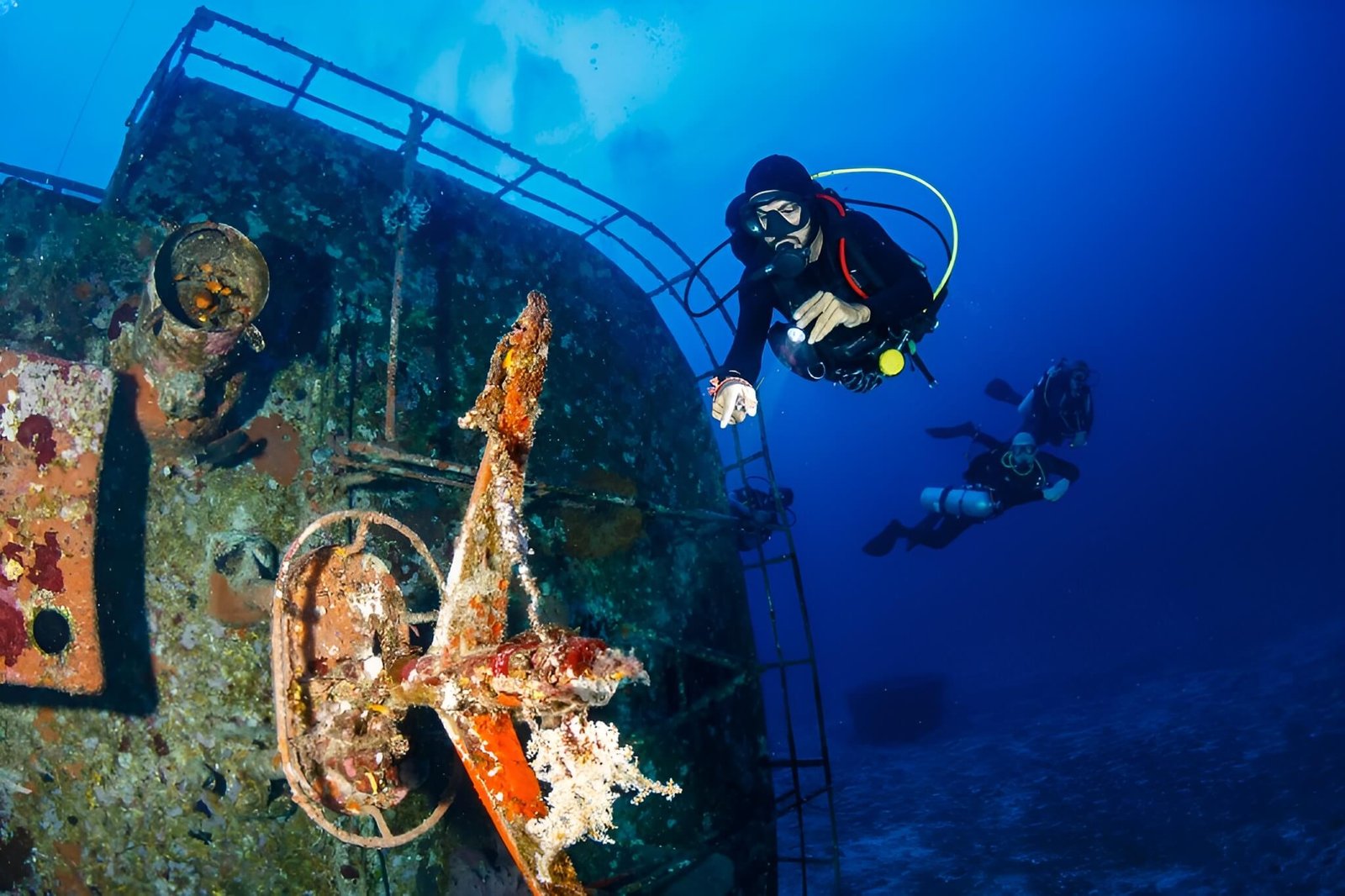
Wreck Penetration

Going beyond swimming around shipwrecks, technical wreck diving involves entering overhead environments with low visibility and complex layouts.

Rebreather Diving

Using closed-circuit rebreathers (CCR), divers can extend bottom time and reduce gas usage by recycling exhaled breath.

Technical Diving Equipment Essentials

Every component of a technical diving kit is chosen with redundancy and performance in mind:
  • Backplate and Wing BCD or Sidemount system
  • High-performance regulators
  • Advanced dive computers for multiple gases
  • Drysuit for temperature control during long decompression stops
  • Lights and reels for overhead environments
  • Cutting tools for emergency entanglements
Check out the Tec Sidemount Course to dive deeper into equipment mastery.

Certification Pathways

Technical diving decompression

Becoming a technical diver involves progression:

  1. Tec Basics – Master foundational skills like buoyancy, trim, and propulsion techniques in sidemount or backmount configuration
  2. PADI Tec 40 – Learn limited decompression, gas planning, and EAN 50 use up to 40 meters (130 feet)
  3. PADI Tec 45 – Build on Tec 40 skills with extended depth limits and accelerated decompression with 100% oxygen
  4. PADI Tec 50 – Conduct deeper dives to 50 meters (165 feet) with two decompression tanks.
  5. PADI Tec 65 – Begin using Normoxic Trimix for deeper, and more complex dives
  6. PADI Tec Trimix – Full Trimix (hypoxic) certification for dives beyond 65 meters, including those deeper than 100 meters
  7. Technical Specialties – Divers can further specialize with focused courses like Blender Nitrox, Blender Trimix, Tec Sidemount, and more to enhance skill sets for specific equipment, gas handling, or dive environments

Understanding gas blending? Dive into the Blender Nitrox Course, essential for managing technical gas mixes.

Environmental Hazards

Physiological Hazards

  • Hypoxia – Not enough oxygen
  • Hyperoxia – Too much oxygen, risk of toxicity
  • Narcosis – Mental impairment due to nitrogen or other inert gases
  • Decompression Sickness – Caused by inadequate decompression

Want a deeper understanding of decompression theory? Read this excellent overview on DAN’s blog.

Environmental Hazards

  • No direct surface access in caves or wrecks
  • Depths beyond recreational rescue range
  • Equipment failure in remote or complex environments

Where to Technical Dive Around the World

Technical divers can explore hidden underwater frontiers:

  • Roatan – is not only a tropical paradise but also one of the most convenient and enjoyable places to train or explore as a technical diver. The island’s warm waters, typically ranging from 26°C to 30°C (79°F to 86°F), mean less exposure protection and more comfort during long deco stops. Visibility regularly exceeds 30 meters (100 feet), making it ideal for training and navigation.

    Most dive sites are located just 5 to 10 minutes from shore, ensuring short boat rides and maximum time underwater. One highlight is the Josie J, a shipwreck resting at technical depths and perfect for practicing deep penetration and staged decompression dives. Whether you’re just starting with Tec 40 or venturing into Trimix territory, Roatan offers a world-class backdrop.

  • Great Lakes, USA – Cold, freshwater wrecks
  • Scapa Flow, UK – Historic WWI/WWII wrecks
  • Puerto Galera, Philippines – Deep drop-offs with vibrant life
  • Bahamas, Mexico, Florida – World-famous cave systems
deep diving

Who Is Technical Diving For?

This niche represents about 6–7% of divers globally, or ~400,000 individuals. Most are between 20 and 39 years old, with growing interest from women. These divers are typically experienced recreational divers looking for new challenges.

The Future of Technical Diving

  • Rebreather Advancements – Lighter, more reliable units
  • Standardized Training – Consistency across agencies
  • Tech for Safety – AI-supported dive planning and diagnostics
  • Younger Demographics – Social media fueling interest in exploration

The Future of Technical Diving

  • Rebreather Advancements – Lighter, more reliable units
  • Standardized Training – Consistency across agencies
  • Tech for Safety – AI-supported dive planning and diagnostics
  • Younger Demographics – Social media fueling interest in exploration

Ready to dive in?

Reach out today and let's schedule your personalized technical diving course in Roatan.